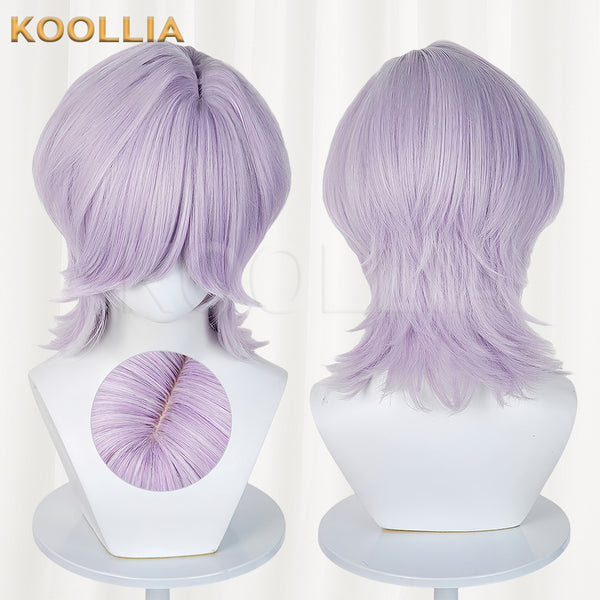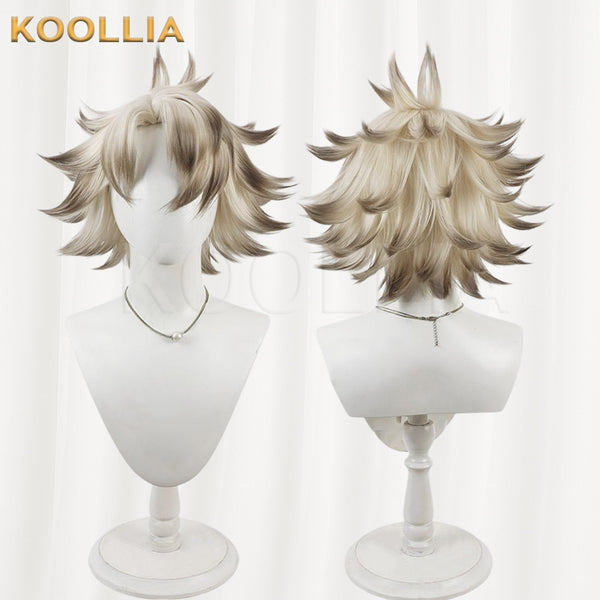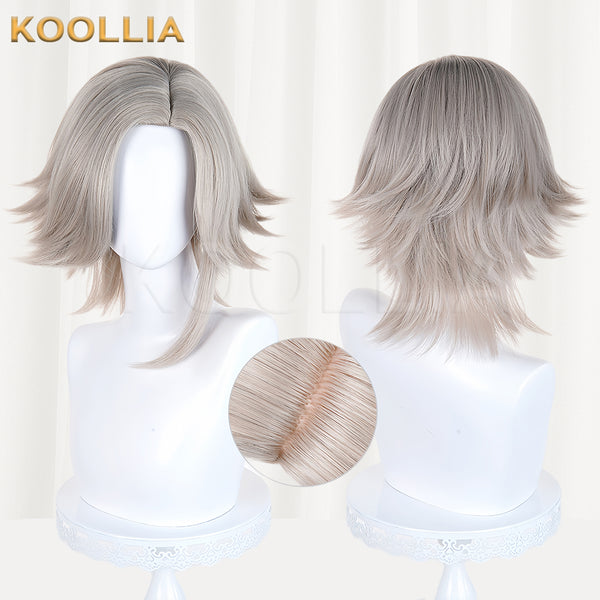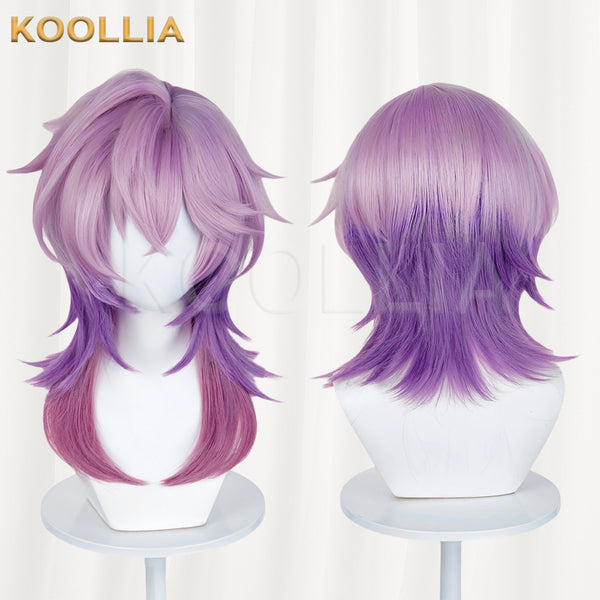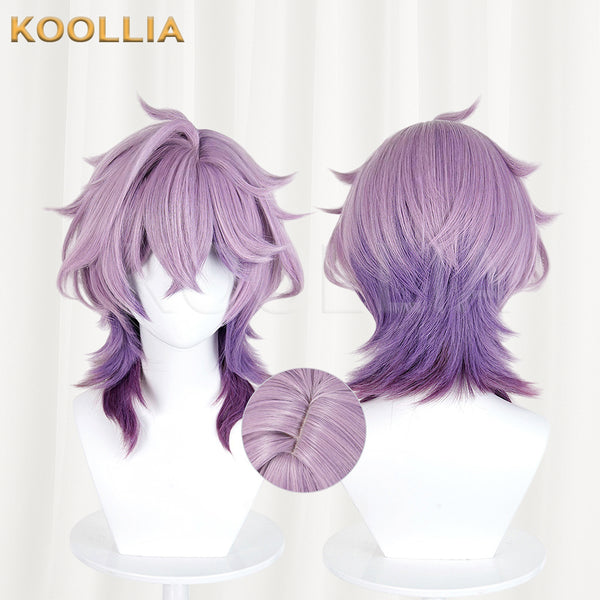

💡 30-Second Core Overview (TL;DR): > While wearing an anime cosplay wig brings a stunning character transformation, it can indeed bring minor burdens to the scalp, such as stuffiness, slight physical pulling, material friction, and trace odors from the manufacturing process or hand-styling (crimping, hairspray, UHU glue, etc.). But rest assured, these "concerns" are extremely minor and can be completely avoided through scientific methods! Four-Step Protection: ① Air out the wig for 24-48 hours upon receiving it; ② Those with sensitive skin should gently wash basic wigs before use; ③ Wear a high-quality, comfortable, and clean wig cap; ④ Choose wigs that feature eco-friendly craftsmanship and lightweight designs.
In the magical and visually striking world of anime, a perfect wig is our ultimate weapon for embodying our favorite characters. But while everyone pursues the ultimate "Final Look," we feel it’s necessary to sit down and honestly discuss a topic that sellers usually avoid—wearing a wig actually imposes a minor burden on your scalp.
We love this culture, and we are dedicated to providing the highest quality basic wigs and high-end commission wigs. Because of this, we sincerely hope that every Cosplayer can protect their natural hair and enjoy cosplaying healthily and comfortably for a long time.
Today, let's objectively discuss the natural "physical quirks" of basic wigs, Styled basic wigs, and commission wigs, and how to effortlessly manage them.
Condition 1: The "Little Greenhouse" on Your Scalp and Stuffiness
No matter how premium the wig material is (heat-resistant synthetic fibers, Kanekalon, etc.), its breathability cannot physically compare to your naturally growing hair. However, during anime conventions or long outdoor shoots, the causes of stuffiness differ entirely based on the product type:
-
Basic Wigs: Since these basic wigs have not undergone secondary processing, they retain their original weft density. The stuffiness purely comes from the physical coverage of the hair fibers themselves.
-
Styled basic wigs: These wigs have already been styled into specific anime character looks. Because they aim for a balance of cost-effectiveness and basic style accuracy, the construction is relatively lightweight and doesn't include extreme, anti-gravity structures. However, to create volume, wig stylists extensively use the hair-crimping technique. While the fluffy crimped roots support the hair volume, they also reduce the pore size of the inner net, trapping scalp heat and forming a relatively enclosed "little greenhouse."
-
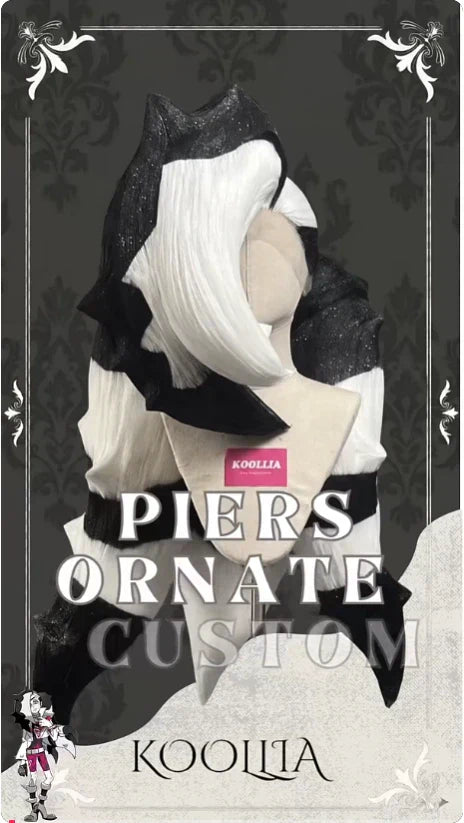
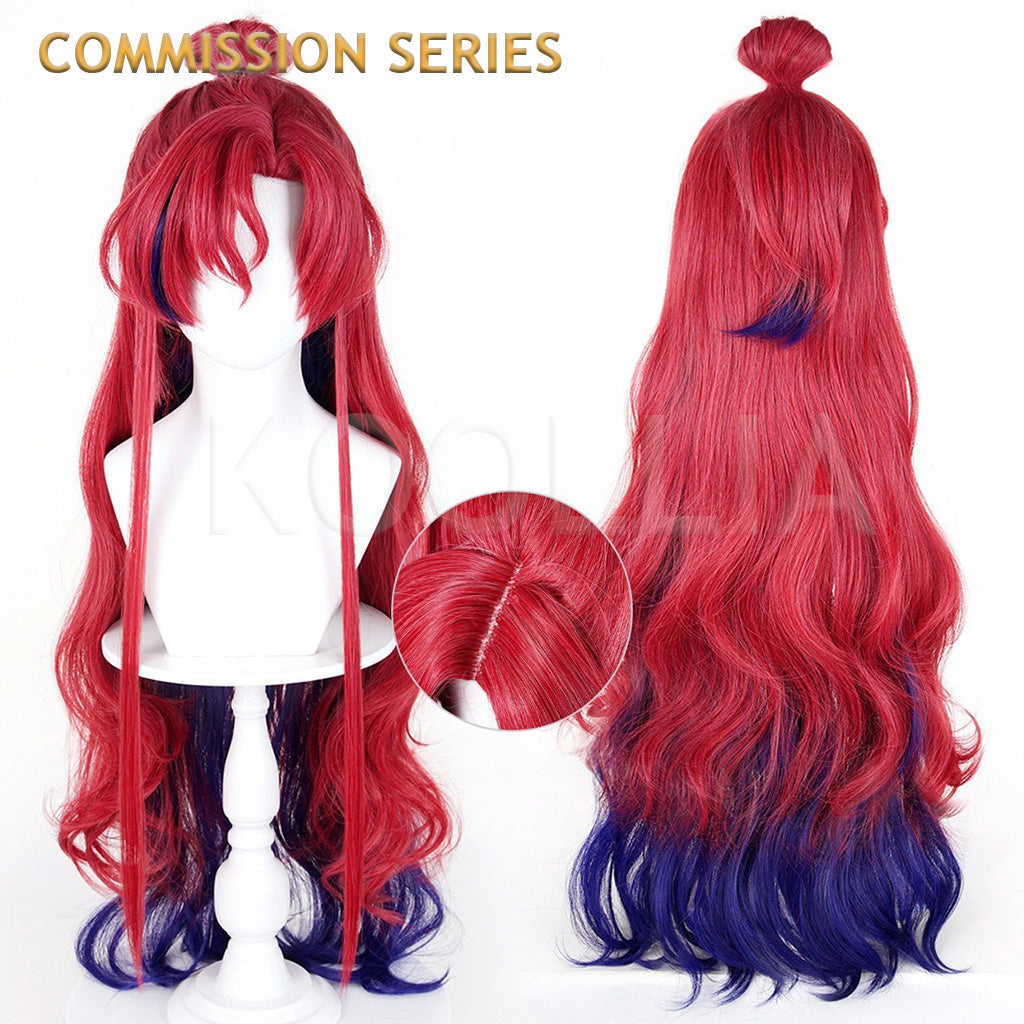
Commission Wigs: To recreate a character's exaggerated hairstyle, commission wigs typically feature multiple layers of hair wefts glued to the inner net and roots, sometimes even creating enclosed structures (like anti-gravity spikes/buns). This high-density layering increases localized scalp sweating, causing temporary stuffiness and mild itching.
-
Sensory Index for Condition 1: 🌡️ Extremely Low. It’s just like wearing a non-breathable windbreaker in the summer. While it may feel hot and cause you to sweat, it causes absolutely no toxic harm. Taking it off and washing up will immediately restore your comfort.
Condition 2: Physical Pulling on the Hairline
Many anime hairstyles are highly exaggerated. The varying weights and styling techniques of wigs cause different levels of pulling on your hair follicles:
-
Basic Wigs: A pure basic wig is in its most original, naturally flowing state. Its overall weight is very light (usually around 200g-300g). As long as you don't secure your wig cap too tightly, it creates almost zero pulling burden on your hairline.
-
Styled basic wigs: Once our stylist has created the hairstyle, the wig carries the added weight of styling glue and volumizing pads. Although it lacks the massive anti-gravity structures of a commission wig, wearing it for an extended period may still cause a slight downward pulling sensation on the hairline.
-
Commission Wigs: Commission wigs often feature complex giant anti-gravity structures or heavy twin tails. To support these stunning visual effects, the wig itself generates significant physical drag. If your natural hair isn't pinned correctly or if worn for too long, your hairline and follicles will feel noticeable fatigue.
-
Sensory Index for Condition 2 (Physical Pulling): 📐 Mild. It largely depends on the duration of wear and how you prep your natural hair under the wig cap. Once removed and relaxed, your hair follicles will quickly recover their vitality.
Condition 3: Friction from Edge Materials
The inner net of the wig (like lace edges or rose nets) comes into direct contact with delicate skin areas such as the forehead and sideburns. The impact of this friction varies by product type:
-
Basic Wigs: Friction mainly comes from the elastic band or lace edge on the outermost rim of the inner net. Since pure basic wigs are not sprayed with styling chemicals, the friction usually only leaves a brief, light red mark that fades after a night's rest.
-
Styled basic wigs: Because the style is already finished by the stylist, the hair fibers near the wig cap edges or sideburns become somewhat hardened due to crimping heat and styling glue. When frequently adjusting the wig's position, these hardened roots might lightly rub against the skin on your forehead.
-
Commission Wigs: Due to the extensive and heavy-duty use of styling hairspray, hot melt glue, or UHU glue, the structures formed at the edges of the wig cap and hairline become very rigid once the glue cures. After sweating during a long convention, this can easily cause slight friction for Cosplayers with sensitive skin.
-
Sensory Index for Condition 3 (Material Friction): ☁️ Minimal. The wig's inner net rubbing against the skin might leave a faint pink mark on your forehead. This is exactly like the marks left after wearing a face mask for a long time or a new pair of shoes slightly rubbing your heel. It’s nothing serious—take it off, get a good night's sleep, and the marks will fade by the next day.
Condition 4: The Truth About Initial Odors of New Wigs
First, let's be completely transparent: the synthetic fibers used in anime wigs (such as heat-resistant fibers) do not inherently contain formaldehyde. So, where does the smell come from?
- Basic Wigs: The raw fibers contain no formaldehyde. However, during mass spinning, dyeing, and anti-static processing at the factory, trace amounts of formaldehyde are present in the manufacturing additives to ensure the wigs don't fade or clump during long-distance ocean freight or long-term warehouse storage. This is that initial, faint "new industrial material" smell, and the residue is extremely low.
- Styled basic wigs: During the creation process, the stylist uses flat irons to crimp the hair for volume and applies glue for shaping. The slightly burnt smell from the high heat combined with the initial volatile scent of the styling glue blends to create this specific odor.
- Commission Wigs: The crafting process is much more complex. To create 3D, voluminous character hairstyles, stylists must tease the hair, hand-craft hair flow, secure anti-gravity spikes, and build hairpiece structures. This unavoidably requires large amounts of hairspray, hot melt glue, and UHU glue. As these glues cure and evaporate, they become the primary source of the noticeable smell.
- Sensory Index for Condition 4 (Initial Odor): 🍃 Trace Residue. The raw fibers do not contain formaldehyde; the odors come entirely from the manufacturing and hand-styling process. Just like newly bought clothes that need washing before wearing, placing the wig in a well-ventilated area to air out will dissipate the smell.
💡 Koollia Tip: Regardless of the type, the residual dosage of these odors is incredibly low. Moreover, we specifically air out all our products outdoors before shipping, so you can wear them with complete peace of mind.
🛠️ 4 Tricks to Master the Physical Quirks of Wigs
1.The Mandatory First Step: The "Air-Out Method" (All Wig Types)
of the plastic shipping bag, do not immediately put it on your head or start modifying it. First, place the wig on a wig stand and leave it in a well-ventilated room or a shaded balcony for 24 to 48 hours. Flowing air will effortlessly carry away the vast majority of residual odors. This is the most basic and effective method.
2.A Must-Read for Sensitive Skin: The "Gentle Wash Method" (Basic Wigs ONLY)
If you have highly sensitive, allergy-prone skin, the most thorough remedy before your first wear or styling session is to give the basic wig a bath:
- Mix warm water with a mild shampoo (or baby body wash) and soak the wig for 15 minutes.
- Gently swish it in the water (DO NOT rub or scrub to prevent tangling!).
- Rinse thoroughly with clean water and hang it up to air dry naturally. This washes away any residual manufacturing attachments.
3.Safe Physical Isolation: "Always Wear a Clean Wig Cap" (Especially for Styled basic & commission wigs)
Never skip corners when wearing a wig. Use a high-quality, breathable, eco-friendly nylon wig cap to tightly secure your natural hair. The wig cap acts as a perfect physical barrier, completely isolating your skin from the hardened glue or stiff hair roots at the edges of Styled basic wigs. Additionally, try to distribute your pinned natural hair evenly to prevent gravity from concentrating on one spot and pulling your follicles.
4.Smart Buying Tips (All Wig Types)
- Choosing Basic Wigs: Smell the initial odor. High-quality synthetic basic wigs undergo eco-friendly deodorization before leaving the factory. If you open the package and are hit with a pungent, eye-irritating chemical smell, the additives exceed safe limits.
- Choosing Styled basic wigs: Inspect the craftsmanship. For a good Styled basic wig, the crimped roots should be fluffy and elastic, and the glue should be sprayed evenly without large patches of white flakes. If the crimped hair is burnt and brittle, or if there are severe, hard clumps of glue, it will not only itch your scalp but also significantly shorten the wig's lifespan.
- Choosing Commission Wigs: Evaluate the stylist's "crafting ratio." For excellent commission wigs, when building giant or anti-gravity structures, stylists will reduce weight by filling the inside with lightweight materials (like extra wig caps or lightweight foam blocks) and strictly control glue usage, rather than blindly piling on hair wefts and heavy glues.
💡 This is exactly why we established Koollia—safety and comfort are our bottom line. Our basic wig materials go through strict eco-friendly screening; our stylists strictly implement lightweight structures and controlled glue techniques when creating Styled basic and commission wigs, and we ensure every piece is aired out outdoors before dispatch.
Conclusion
Any modification that brings stunning aesthetic changes (like contact lenses, special effects makeup, or even high heels) comes with a very minor physiological burden. Wigs are no exception.
We want to provide the cosplay community with a completely worry-free anime world. As sellers, what we can do is control the comfort of our basic wigs at the source and optimize the craftsmanship of our Styled basic wigs. As the wearer, all you need to do is master these scientific hair protection tips. Let's work together to present the most perfect visual experience to the world—healthily and comfortably!
❓ FAQ: Comprehensive Answers on Anime Wig Health and Odors
Q1: My Styled basic wig or commission wig smells out of the box. Can I wash it with shampoo to remove the odor?
A1: Absolutely DO NOT wash it! Pure, basic wigs can be washed. However, Styled basic and commission wigs have already been meticulously trimmed, crimped, and shaped with hairspray and UHU glue by our stylists. If you blindly submerge them in water, the glue will melt and clump, the crimped volume will collapse, and the entire style will be completely ruined! To remove odors, strictly follow the rule: "Hang in a cool, well-ventilated place to air dry naturally for 1-2 days."
Q2: How can I easily tell if a new wig has excessive chemical additives (like formaldehyde)?
A2: The most intuitive method is checking if it "irritates your eyes." It is normal for industrial manufacturing and craft glues to have a faint "new material" or "glue" smell. However, if you open a sealed package and the smell is incredibly pungent—to the point where it makes your eyes sting and water, or causes instant severe respiratory discomfort—this means the additives or cheap glues exceed safe limits. For your skin's health, we strongly advise against wearing it.
Q3: I wore my wig at a convention all day, and my scalp feels stuffy and itchy. How can I soothe it after taking the wig off?
A3: Two steps to "de-burden" your scalp. First, after removing the wig and wig cap, thoroughly wash your hair and scalp with warm water to remove residual sweat and soothe the mild discomfort caused by the wig cap's friction. Second, after washing, gently massage your scalp with your fingertips to relax the hair follicles along your hairline that have been pulled all day. If highly sensitive areas of skin are red, you can apply a cold compress or soothing aloe vera gel.
Q4: Why does your brand promote "lightweight design"? Does this relate to scalp health?
A4: It is hugely related. For every 50 grams of added weight on a wig, the pulling sensation on your hair follicles and cervical spine magnifies exponentially by the afternoon of a convention. Inferior commission wigs blindly pile on hair wefts and spray heavy layers of glue, resulting in extremely heavy wigs. At Koollia, our stylists use techniques like hollowed-out lightweight hair blocks and internal padding nets to achieve maximum weight reduction while ensuring visually full and accurate styles. This is our core technique for protecting your hair follicles and hairline.
Q5: My skin is extremely sensitive to everyday hairspray. Will I be allergic to your Styled basic or commission wigs?
A5: The probability is extremely low because styling glue rarely touches the scalp directly. When our stylists craft Styled basic and commission wigs, hairspray and UHU glue are primarily applied to the outer hair fibers and the internal styling skeleton. The wig's inner net (the part touching your skin) is not heavily coated in glue. If you have extremely hypersensitive skin, we recommend applying a layer of breathable, skin-colored anti-friction tape at the boundary where the wig cap meets your forehead and sideburns to create a perfect physical barrier.
Q6: I aired out my new wig on the balcony for two days, why can I still smell a faint glue or new material scent?
A6: Sealed packaging and temperature affect evaporation speed. If your package was shipped during the hot summer or was sealed in transit for a long time, the odors can build up. If a faint smell persists after two days of airing out, try using a household hairdryer on the [COOL SETTING]. Blow air from the inside out through the inner net for 5-10 minutes to accelerate airflow, or place a box of activated charcoal in the room. Rest assured, as long as it doesn't irritate your eyes, the trace residual odor will rapidly disappear once you wear it out in the fresh, open air.
Q7: Can pregnant women, nursing mothers, or children wear these three types of anime wigs?
A7: We do not recommend high-frequency or prolonged wear. Although we explained earlier that the trace industrial residues in legitimate wigs (like Koollia) are completely non-toxic, pregnant/nursing women and children with developing skin have a much higher sensitivity to foreign odors and material friction than the average person. If wearing a wig is absolutely necessary for cosplay, we recommend choosing an unprocessed, basic wig, thoroughly washing it in warm water, and air-drying it completely before wear, keeping the wear time under 2 hours.
Q8: How should I store my wig (especially styled ones) after returning from a convention so it doesn't develop a bad odor?
A8: Never stuff it immediately back into a plastic bag! After a high-intensity convention, the wig's inner net has absorbed a lot of sweat and scalp oils. Upon returning home, you must hang the wig on an open wig stand in a well-ventilated area to dry completely in the shade for 24 hours so the sweat can fully evaporate. Once it is 100% dry and odor-free, store it in a storage box with desiccants (silica gel packets) or a breathable non-woven bag. If you seal it in a plastic bag while it's still sweaty, it will develop a sour, moldy smell within a few days that is incredibly hard to reverse.