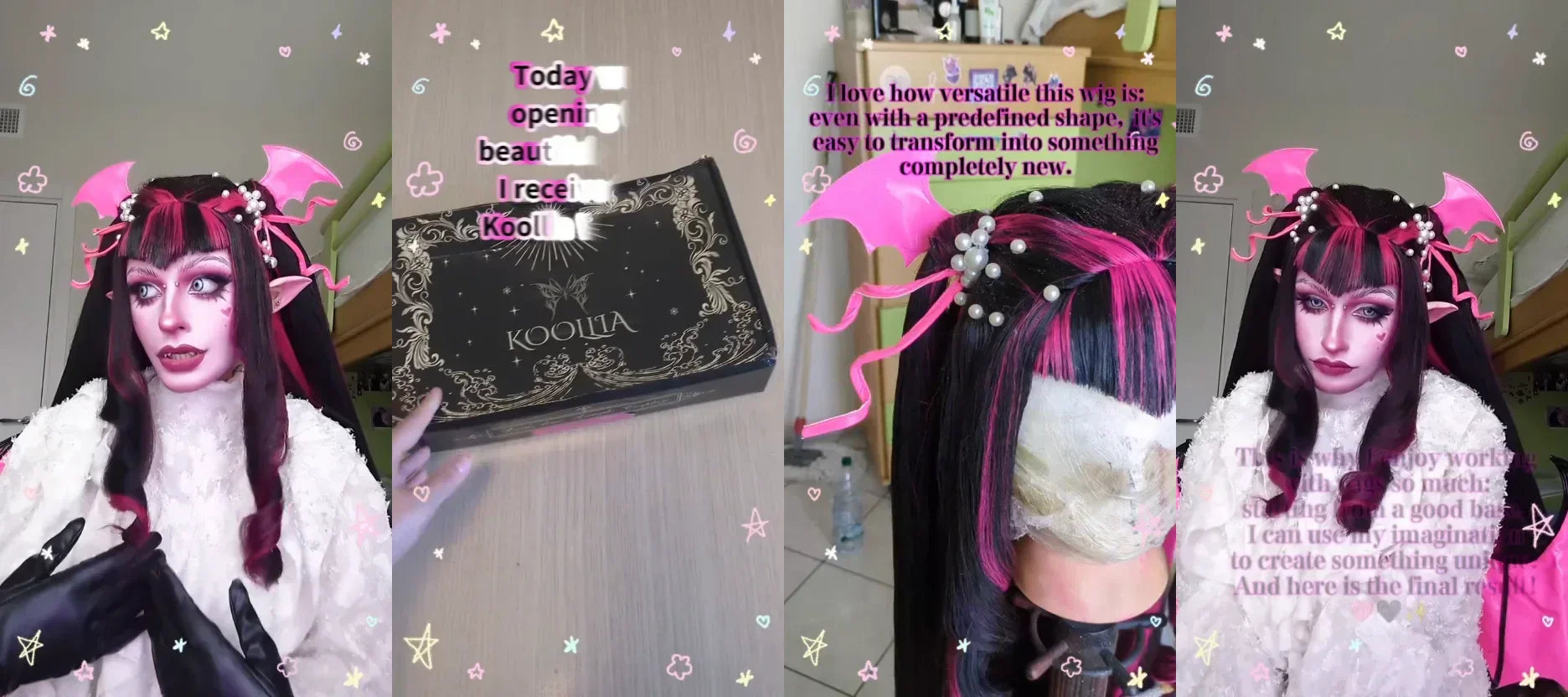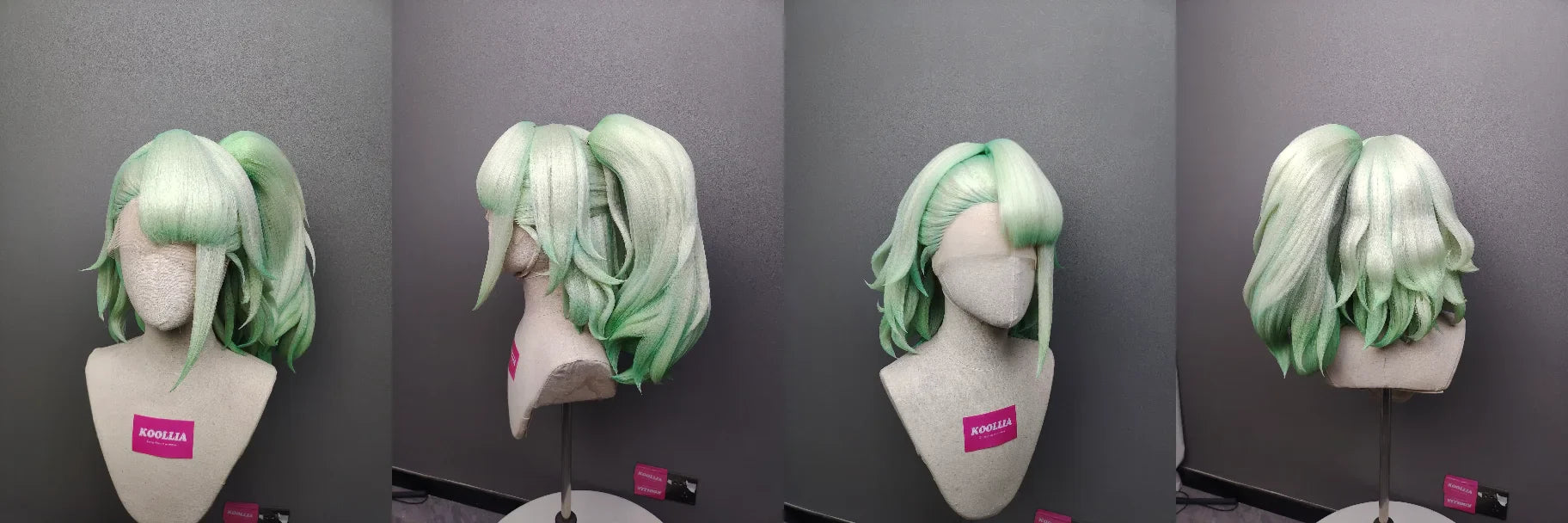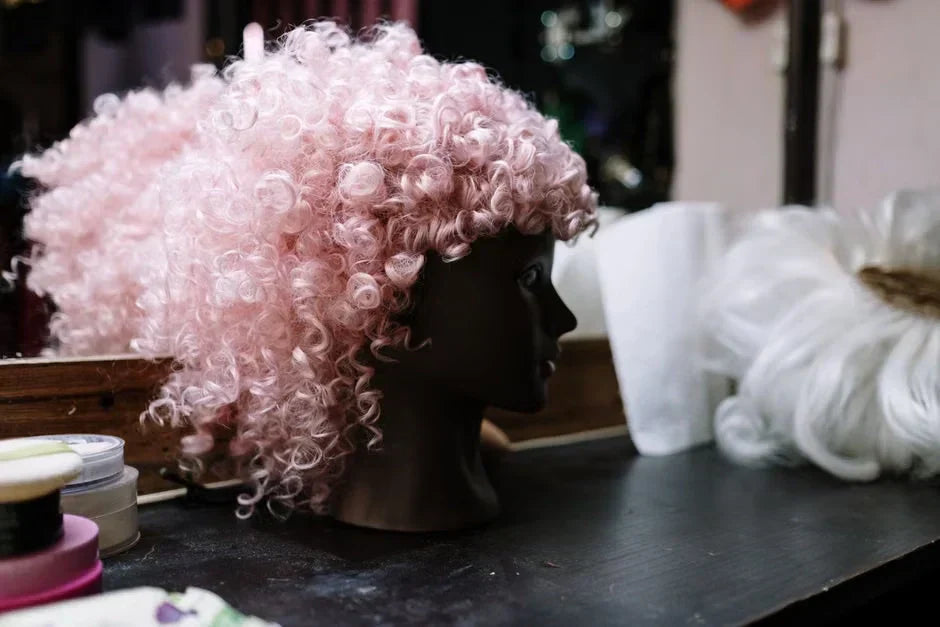

If this is your first time wearing a cosplay wig, the nerves are normal. Will it slide off mid-photo? Will your real hair poke through? Will it look obviously fake under convention lighting? Every cosplayer asks the same questions before their first wig, and the good news is that almost every problem has a simple fix.
This guide walks through what actually matters: prepping your hair, picking the right cap and fiber, putting the wig on correctly, keeping it secure all day, and caring for it afterward. No fluff, just the steps that make a first time cosplay wig experience go smoothly.

1. Prep Your Real Hair First
Before anything touches your head, your natural hair needs to be flat and out of the way. Long hair should be braided or twisted into small, flat sections rather than one thick ponytail, which creates an obvious bump under the wig. Short hair just needs to be brushed back and pinned close to the scalp. The goal is to keep your hair as flat and close to your head as possible, since any bulk underneath will throw off how the wig sits and looks.
2. Always Use a Wig Cap
A wig cap is the cheapest, most overlooked step for a first time wig wearer, and skipping it is one of the most common beginner mistakes. A wig cap helps to keep your natural hair in place and provides a smooth base for the wig. It also stops your own hair color from showing through at the part or hairline, and keeps the inside of your wig cleaner since it absorbs sweat and oil instead of the wig fibers.
There are two common types of wig caps: mesh, which is more breathable, and nylon, which sits tighter and gives a smoother base. For long con days, mesh is usually more comfortable. For a sleek, snug finish, nylon wins.
If you want to skip building or styling your own base wig from scratch, Koollia's basic unstyled wigs and ready-to-wear styled basic wigs are a solid starting point, since the cap construction is already beginner-friendly.
3. Pick a Material That Suits a Beginner
Most first cosplay wigs are synthetic, and for good reason. Synthetic fibers hold their shape better in humidity and across long hours of wear, while human hair can wilt, frizz, and need mid-event touch-ups. For a beginner who isn't ready to manage daily restyling, that durability matters more than it sounds.
Within synthetic wigs, fiber quality varies a lot. Kanekalon is considered the industry standard because it's flame-retardant, tangle-resistant, and scatters light the way natural hair does instead of looking shiny and plastic-like. If you're comparing wigs and one lists Kanekalon fiber, that's generally a safer bet for your first purchase than an unlabeled "synthetic" wig.
As for cap style, you don't need anything complicated for your first wig. A standard cap is the most common and most affordable type, machine-made, durable, and low maintenance, and it's a great starting point for most wearers. Save lace fronts and monofilament parts for once you're comfortable with the basics, since lace is more delicate and prone to tearing, and lace wigs generally take more time and care to apply.
Koollia's all-purpose wigs and materials packs are built around exactly this kind of beginner-friendly, low-maintenance synthetic fiber.
4. Put the Wig on the Right Way
Once your hair is flat and your cap is on, putting on the wig itself is mostly about angle and direction. Hold the wig with both hands, position the front at your forehead and the back at your nape, then tilt your head slightly forward as you slide the wig on. Working front to back rather than just dropping it on top helps the hairline land where it should and keeps your bangs from sticking out underneath.

Take a moment to check the fit before you move on. Make sure the wig fully covers the wig cap and that its hairline lines up with your natural hairline at the front, temples, and nape. A wig that sits too far back will look unnatural in photos, even if everything else about the cosplay is perfect.
5. Secure It So It Doesn't Move
Nothing ruins a con day faster than a wig sliding backward mid-pose. Most cosplay wigs have small clips or combs on the inside that should be secured to the wig cap or your natural hair to hold everything in place, and bobby pins in several spots add extra security.
Fit matters here too. Before you ever leave the house, do a quick stability check: bend over and shake your head gently to see if the wig stays firmly in position. If it shifts, adjust the combs or add another pin rather than finding out the hard way at the event.
If you're working on a character with a more dramatic silhouette, Koollia's commission wigs are built with internal structure specifically to hold gravity-defying shapes in place through long wear.
6. Don't Brush a Curly Wig the Way You'd Brush Straight Hair
This trips up a lot of first-time wearers. Curly wigs should never be brushed, since brushing breaks apart the curl pattern and causes frizz. If you need to reshape curls, a light misting of water while scrunching the curls back into place with your hand works far better, and the wig should be left to air dry instead of being blow-dried on high heat.
Straight or wavy styles are more forgiving and can generally be brushed with a wig brush or a wide-tooth comb made specifically for wigs without causing damage.
7. Never Use Regular Heat Tools Unless the Wig Says You Can
This is the single most common way beginners ruin a wig. Synthetic wig fibers will melt or become irreparably damaged by heat, so a hot hair dryer, flat iron, or curling iron should never be used on a standard costume wig. If you want curls, plastic, sponge, or Velcro curlers work safely without any heat at all.
Some wigs are the exception. Heat-resistant fiber is built to handle styling tools, which is why Koollia's lineup, including pieces from the clearance sale and all-purpose collection, is worth checking if you know you'll want to curl or straighten your wig later.
8. Build Your Confidence Before the Big Event
Feeling self-conscious the first time you wear a wig in public is completely normal, and easing into it helps. Wearing your new wig around the house for a few days or weeks, however long it takes to get used to it, is a great way to build confidence before wearing it out. Many cosplayers also find it easier to test the wig in a public place where they're unlikely to run into people they know before debuting it at a full convention.

One more reassurance: most people simply aren't scrutinizing your hairline as closely as you think. People are generally too focused on their own lives to closely examine someone else's appearance, and modern wig fibers are convincing enough that a well-fitted wig rarely draws a second look unless someone's specifically looking for it.
9. Wash and Store Your Wig Properly
A wig that's cared for correctly will last for many more wears. Most synthetic wigs only need washing every 8 to 10 wears, using cold water and a synthetic wig shampoo, since regular hair products tend to leave residue that causes frizz. Submerge it gently, swirl, rinse, and air-dry on a stand. Avoid rubbing it dry with a towel, since that roughs up the fibers.
Between washes, spot-cleaning the front edge with rubbing alcohol on a cotton pad removes oils and adhesive residue while keeping the hairline looking natural. For storage, a wig stand or mannequin head keeps the shape intact, and a breathable fabric bag in a cool, dark space is better than a plastic bag, which traps moisture.
For anyone planning to customize a wig further, whether that's trimming bangs, adding clip-in pieces, or attaching ahoge tufts, Koollia's DIY cosplay accessories and cosplay prop collection cover most of what you'll need without hunting across multiple stores.
Your First Cosplay Wig Doesn't Have to Be Stressful
Most first time wig problems come down to three things: skipping the wig cap, brushing or heating the wig incorrectly, and not securing it before leaving the house. Fix those three, and the rest of the experience is mostly just getting comfortable in front of a mirror.
If you're still choosing your very first wig, Koollia's full wig collection or the main Koollia store are good places to compare beginner-friendly options by character, length, and cap type before you commit to one.
FAQ: First Time Wearing a Cosplay Wig
Do I need a wig cap for my first cosplay wig?
Yes. A wig cap keeps your natural hair flat and in place and gives the wig a smooth base to sit on, which makes a noticeable difference in how natural the final look appears.
Can I use a regular hairbrush on a cosplay wig?
Only on straight or wavy styles, and even then, use a wig brush or wide-tooth comb. Curly wigs should never be brushed, since it breaks apart the curls and causes frizz.
Will heat styling tools damage my wig?
Standard synthetic wig fibers will melt or become permanently damaged from a hot blow dryer, flat iron, or curling iron unless the wig is specifically labeled heat-resistant.
How often should I wash a synthetic cosplay wig?
Roughly every 8 to 10 wears, using cold water and a shampoo made for synthetic wigs.
How do I know if my wig is secure enough to wear out?
Bend over and shake your head gently before leaving the house. If it stays in place, your clips, combs, or pins are doing their job.
References
- Interesting Articles, "Wearing a Wig for the First Time"
- Headcovers, "Wig Cap Types Explained"
- Morphsuits Blog, "Synthetic Lace Front Wigs: Your Complete Guide"
- Morphsuits, "Best Synthetic Womens Wigs"
- Curlcentric, "Wig Types: Lace, Capless, Synthetic, Human Hair Wigs & More"