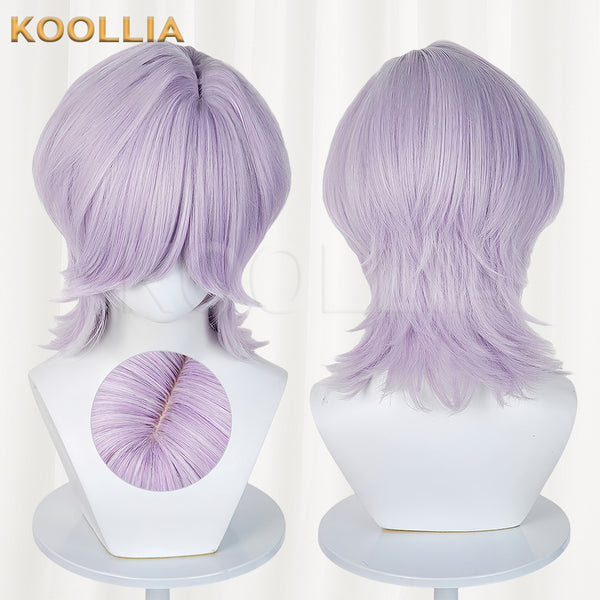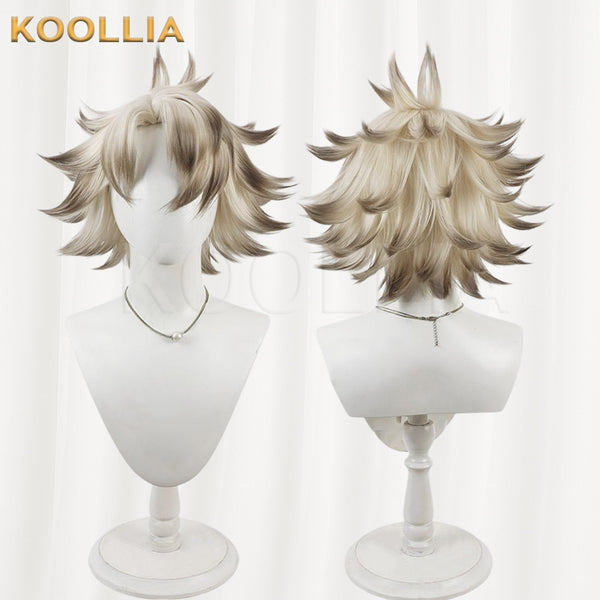

If your natural wig keeps tangling no matter what you do, you're not alone. It's one of the most-searched problems among wig wearers, and it catches a lot of people off-guard because they expect natural-looking wigs to behave more like their own hair. They don't — at least not without some help.
This guide breaks down why it happens, what to do about it, and how to pick a wig that won't become a daily battle.

Why Does Your Natural Wig Keep Tangling?
Before you can fix it, it helps to understand what's actually going on. The short version: your wig doesn't have a scalp.
No Natural Oils
Your own hair gets coated in sebum — a natural oil produced by your scalp — every day. That oil acts like a lubricant, helping strands slide past each other instead of catching. Wigs don't have that. Whether you're wearing a natural-look fiber wig or a human-hair wig, it receives zero scalp oil, which means the fibers dry out faster, develop static, and grip each other instead of releasing. This is the single biggest reason wigs tangle faster than biological hair.
Friction from Clothing and Movement
The back of a wig — especially at the nape — spends all day rubbing against your shirt collar, jacket, backpack straps, car seat, and scarf. That constant friction roughens up the fiber cuticles (or in synthetic wigs, creates static charge), which causes strands to snag together. Wig care experts at Daniel Alain note that the nape is the first place tangling appears for most wig wearers, precisely because of this.
Dryness, Wind, and Environmental Stress
Cold weather drops humidity and strips moisture from fibers. Wind tangles wig strands. UV exposure weakens them over time. All of these make natural wig tangling worse — especially in long wigs where there's simply more surface area for things to go wrong.

7 Proven Ways to Keep Your Natural Wig from Tangling
1 Always Brush from the Ends Up
This one sounds obvious, but most people still start brushing from the root down — which pushes knots further down the shaft and tightens them. Start at the very tips of the wig, work through any tangles there, then gradually move upward toward the roots. It takes a little more time but causes dramatically less breakage and doesn't make existing tangles worse.
2 Ditch the Regular Brush
Regular hairbrushes aren't designed for wig fibers. They pull, snag, and can damage the wig cap. Instead, use a wide-tooth comb for detangling, or a wig brush with looped bristles. These tools glide through fibers without the same level of force, making natural wig care a lot gentler on your investment.
3 Use a Wig-Safe Detangling Spray
A lightweight detangling spray — specifically one formulated for synthetic or wig fibers — adds just enough slip that tangles release without force. Spray it on damp or dry fibers, wait 30–60 seconds, then work through knots gently with your fingers or a wide-tooth comb. Avoid heavy oils or regular leave-in conditioners not made for wigs; product buildup is itself a cause of tangling.
4 Store Your Wig on a Stand
Leaving your wig in a bag, in a drawer, or folded on a shelf will tangle it faster than wearing it. A wig stand or mannequin head keeps the shape intact, lets the fibers hang loose, and makes it easy to do a quick brush before and after each wear. Daniel Alain identifies improper storage as the most common cause of preventable tangling. It's an easy fix.
5 Wash Every 7–10 Wears (Not More)
Over-washing strips whatever moisture remains in the fibers and shortens the wig's life. But under-washing lets sweat, product buildup, and oils accumulate — which causes the strands to clump and mat. The sweet spot is roughly every 7–10 wears. When you do wash, use lukewarm water, a sulfate-free wig shampoo, and rinse from root to ends in one direction. Never rub or twist the hair; press gently to remove water.
6 Watch What You Wear Around the Wig
High collars, scarves, chunky knitwear, and backpack straps are all friction machines for the nape of your wig. On days when you know you'll be wearing these, either pull the wig hair forward, braid the back section loosely, or choose a shorter style. Wearing silky or smooth fabrics reduces the amount of friction significantly.
7 Rotate Between Two Wigs
This is underrated advice: wearing the same wig every single day accelerates fiber fatigue, especially at the nape and along the ends where friction is worst. Having even one backup wig to alternate with extends the life of both and gives each one time to rest and recover its shape between wears.

What to Do When Your Natural Wig Is Already Tangled
If the damage is already done, don't panic — and don't yank. Here's the process that causes the least additional damage:
Step 1: Saturate the tangled area. Spray generously with a wig detangling spray, or mist with plain water. Let it sit for at least a minute to soften and relax the fibers.
Step 2: Use your fingers first. Before reaching for a comb, gently pull individual strands apart at the worst knot using just your fingertips. Work from the outside of the tangle inward, and from the very bottom upward.
Step 3: Follow with a wide-tooth comb. Once the worst of the knot is loosened, use a wide-tooth comb in small sections, starting at the ends and working toward the root. Go slow.
Step 4: Don't apply heat to a synthetic wig. Unless your wig is explicitly labeled heat-safe, don't try to use a flat iron or blow dryer to "smooth" tangles out — you'll permanently damage the fibers.
If the nape area has matted into a solid clump and won't detangle after several patient attempts, that section may need to be carefully trimmed by a wig stylist. Matting that has been left too long can reach a point where detangling causes more fiber loss than the tangle itself.
Choosing a Natural Wig That Tangles Less
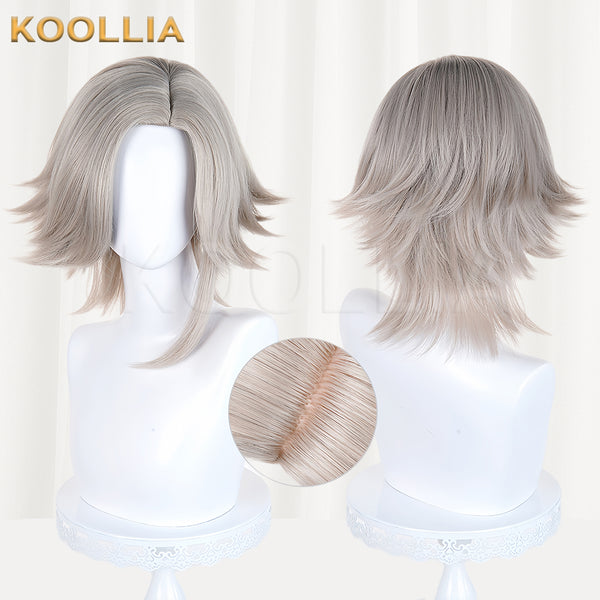
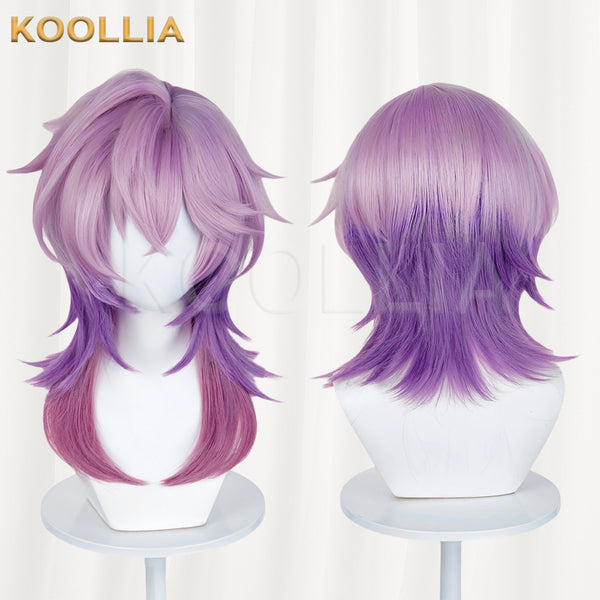
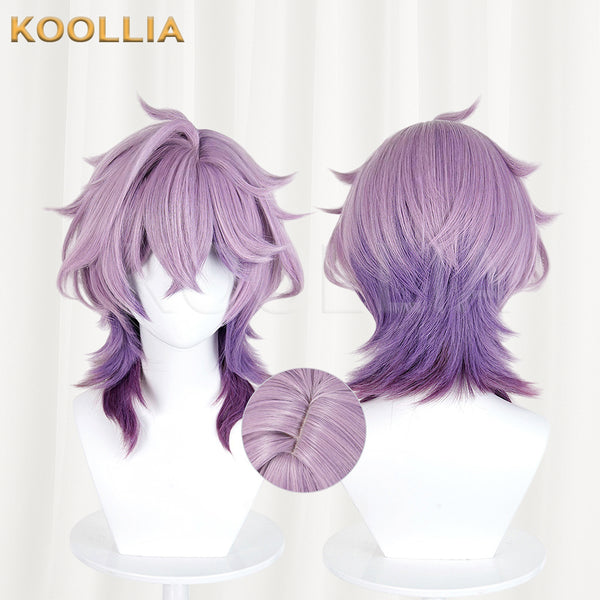
Wig quality genuinely matters. Lower-quality fibers are more prone to static and matting; better fiber construction means strands align properly and don't catch on each other as easily. If you're shopping for a new natural-look wig and want something that holds up to daily wear, it's worth looking at options built with durability in mind.
At Koollia, the range covers everything from unstyled base wigs ready for customization to pre-styled natural wigs that are ready to wear. If you're into cosplay and need something that won't fall apart by the third convention, the cosplay wig collection and all-purpose wigs are worth a look. There's also a commission wig option if you need something specific.
FAQ — Natural Wig Tangling
Is it normal for a natural wig to tangle quickly?
Yes. Unlike your own hair, wigs don't receive scalp oils, which means the fibers dry out and develop friction faster. Even high-quality natural-look wigs will tangle without regular brushing and proper storage. It doesn't mean the wig is defective.
Why does my natural wig tangle at the back but not the front?
The nape area gets the most friction — from clothing collars, seat backs, backpack straps, and general head movement. This concentrated rubbing roughens the fibers and causes knots to form faster in that zone. Brushing the nape area daily and avoiding high-collar clothing helps significantly.
Can I use regular conditioner on a natural wig to help with tangling?
It depends on the wig. For human-hair wigs, a light leave-in conditioner can help. For synthetic wigs, standard conditioner often leaves residue that worsens tangling over time. Use a product specifically labeled for synthetic wigs or wig fibers to be safe.
How often should I wash my natural wig to prevent tangling?
Every 7–10 wears is a common guideline. Washing too often strips moisture and shortens the wig's lifespan. Washing too rarely allows product buildup and sweat to accumulate, causing the fibers to clump together. Always use a sulfate-free wig shampoo.
What's the best tool to detangle a natural wig without damaging it?
A wide-tooth comb is the most versatile choice. For very fine or fragile fibers, a wig brush with looped bristles is even gentler. Avoid regular paddle brushes or fine-tooth combs — both can snag fibers and pull hair out of the wefts.
Does a shorter wig tangle less than a long one?
Generally, yes. Shorter wigs have less surface area for friction, fewer opportunities for strands to wrap around each other, and less exposure to clothing. If tangles are a constant daily battle with a long wig, going shorter is one of the most practical solutions.
References
- Daniel Alain — Why Human Hair Wigs Tangle: Causes and Solutions
- Joseph's Wigs — How to Stop a Synthetic Wig from Tangling
- Godiva's Secret Wigs — Why Is My Wig Tangling?
- The Lauren Ashtyn Collection — How to Keep Human Hair Wig from Tangling
- Boss Crowns — What Causes Wigs to Tangle and How Do I Prevent It?
- UniWigs — Why Do Wigs Seem to Tangle More Often Than Our Own Hair?