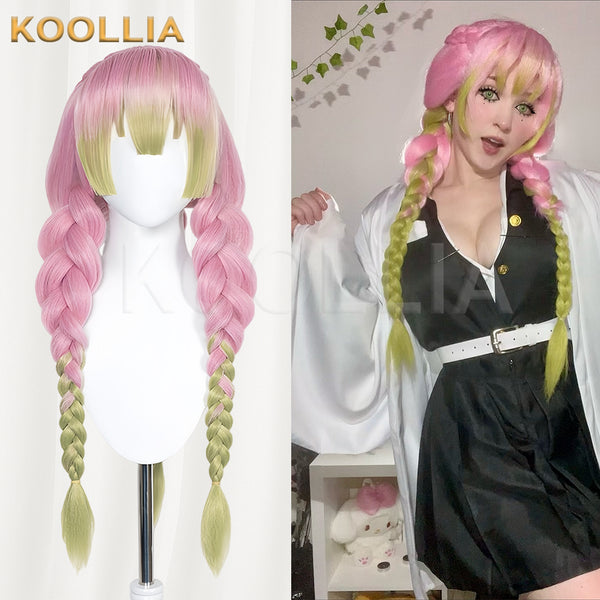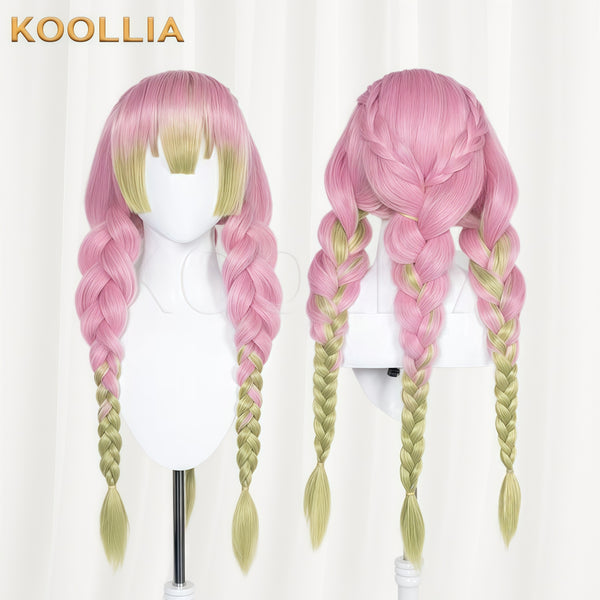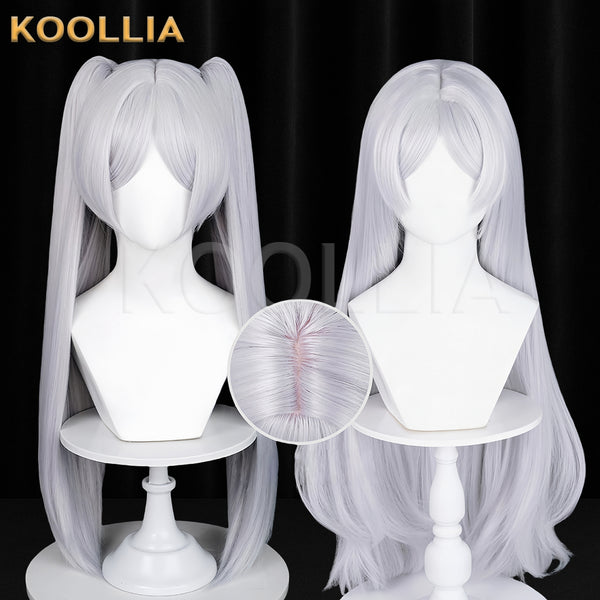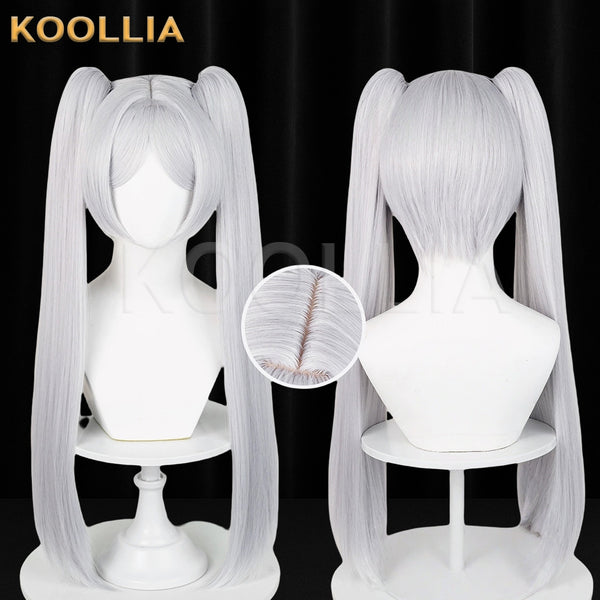

There is no fixed number of times a cosplay wig can be worn. Its lifespan depends on the fiber, cap construction, length, styling, heat exposure and aftercare. A synthetic cosplay wig may stay usable across many events when it is gently detangled, washed only when needed and stored correctly.
This guide explains what makes a long-lasting cosplay wig, how to check its construction before buying and the seven care steps that help protect it between conventions.

How Long Do Cosplay Wigs Last?
A cosplay wig does not have a guaranteed number of wears. A short, lightly styled wig used for indoor events may remain usable longer than a very long wig worn outdoors or against a textured costume.
The lifespan also depends on what “usable” means for the character. A simple straight wig can often be trimmed or restyled after minor wear. A heavily structured wig may need repair when spikes, glued sections or internal supports begin to move.
The most important factors are:
- How often the wig is worn
- Whether the fibers rub against clothing
- How much hairspray, glue or heat is used
- How gently the wig is detangled
- Whether it is completely dry before storage
- How the cap, wefts and styled sections are supported
What Affects a Cosplay Wig's Lifespan?
Fiber and heat tolerance
Most cosplay wigs use synthetic fibers because they hold bright colors and character shapes well. However, “heat-resistant” describes how the fiber reacts to styling temperature. It does not automatically mean the wig resists tangling, shedding or daily wear.
Never assume that every heat-resistant wig can handle the same temperature. Check the product's care instructions and test the lowest practical temperature on a hidden strand.
Cap and weft construction
The cap is the foundation of the wig. A cap that keeps its shape and has securely attached wefts is easier to wear repeatedly.
Before buying or styling, check for:
- Loose or uneven stitching
- Large gaps between wefts
- Damaged adjustable straps
- Clips that pull against weak areas
- Elastic that no longer returns to shape
Density alone does not determine quality. A very dense wig may provide more styling material, but it can also be heavier and more difficult to detangle.
Wig length and friction
Long wigs usually experience more friction than short wigs. The fibers rub against the shoulders, back, costume collar, bag straps and chairs. This friction can create knots, frizz and worn ends.
Ponytails and clip-on pieces can also pull on the cap. Make sure heavy pieces are supported and removed carefully after use.
Styling products
Hairspray, gel and glue help create anime shapes, but heavy buildup can make fibers stiff and attract dust. Repeatedly coating the same section may eventually make it difficult to reshape.
Use only as much product as the style needs. Follow the product instructions and test unfamiliar products on spare fiber first.
Heat styling
High or repeated heat can shorten the life of synthetic fibers even when they are described as heat-resistant. Too much heat may create rough texture, permanent bends, shrinkage or melted areas.
Begin with the lowest practical temperature, work in small sections and allow the fiber to cool in the desired shape.
Cleaning and storage
Incorrect washing can loosen styling, tangle long fibers or place stress on the cap. Storing a damp wig can also lead to odor, mildew or damaged styling.
The wig should be clean enough for storage, completely dry and supported in a way that matches its structure.
How to Choose a Long-Lasting Cosplay Wig
Check the cap before the fibers
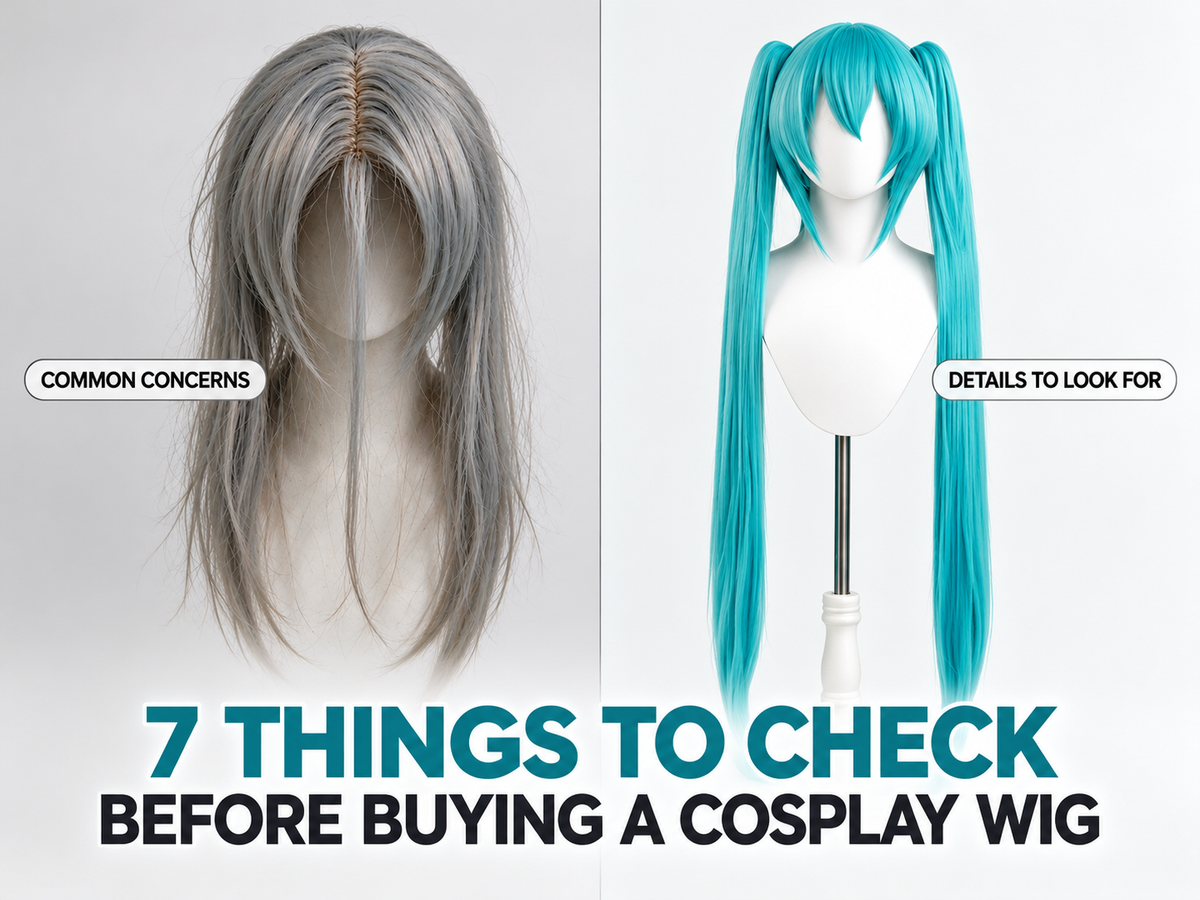
Turn the wig inside out carefully and inspect the cap, straps and wefts. Secure stitching and a cap that returns to shape are more useful signs than a marketing phrase such as “professional grade.”
Choose a practical length
Select the length needed for the character, but remember that very long fibers require more detangling and storage space. If two lengths both match the character, the shorter option may be easier to maintain.
Read the care instructions
Look for clear information about the fiber, heat tolerance, washing method and included accessories. Avoid guessing based only on product photos.
Plan the final hairstyle
A reusable base wig should have enough length and density for the intended cut without requiring excessive glue or heat. If you want to restyle one wig for several characters, a simple basic cosplay wig can provide more flexibility than a finished character style.
Check the parting area
A larger or more realistic parting area may offer more styling options, but it does not automatically make the wig last longer. Choose the parting based on the character and planned hairstyle.
Do not judge durability by shine alone
A matte finish may look more natural in photos, but shine does not prove whether a fiber will shed, tangle or survive repeated styling. Inspect the construction and care information instead.

Long-Lasting Cosplay Wig Buying Checklist
- The cap returns to shape after gentle stretching.
- The wefts are stitched securely and evenly.
- The fibers do not shed heavily during gentle handling.
- The product clearly states the fiber and care instructions.
- The heat information is specific rather than assumed.
- The length is practical for the character and event.
- The parting supports the intended hairstyle.
- Clips and accessories do not pull on weak cap areas.
- The wig has enough density without being unnecessarily heavy.
- The style can be stored without crushing important sections.
7 Ways to Make a Cosplay Wig Last Longer
1. Detangle it before and after wearing
Small knots are easier to remove before they tighten. Check the nape, ends and areas that rub against the costume after each event.
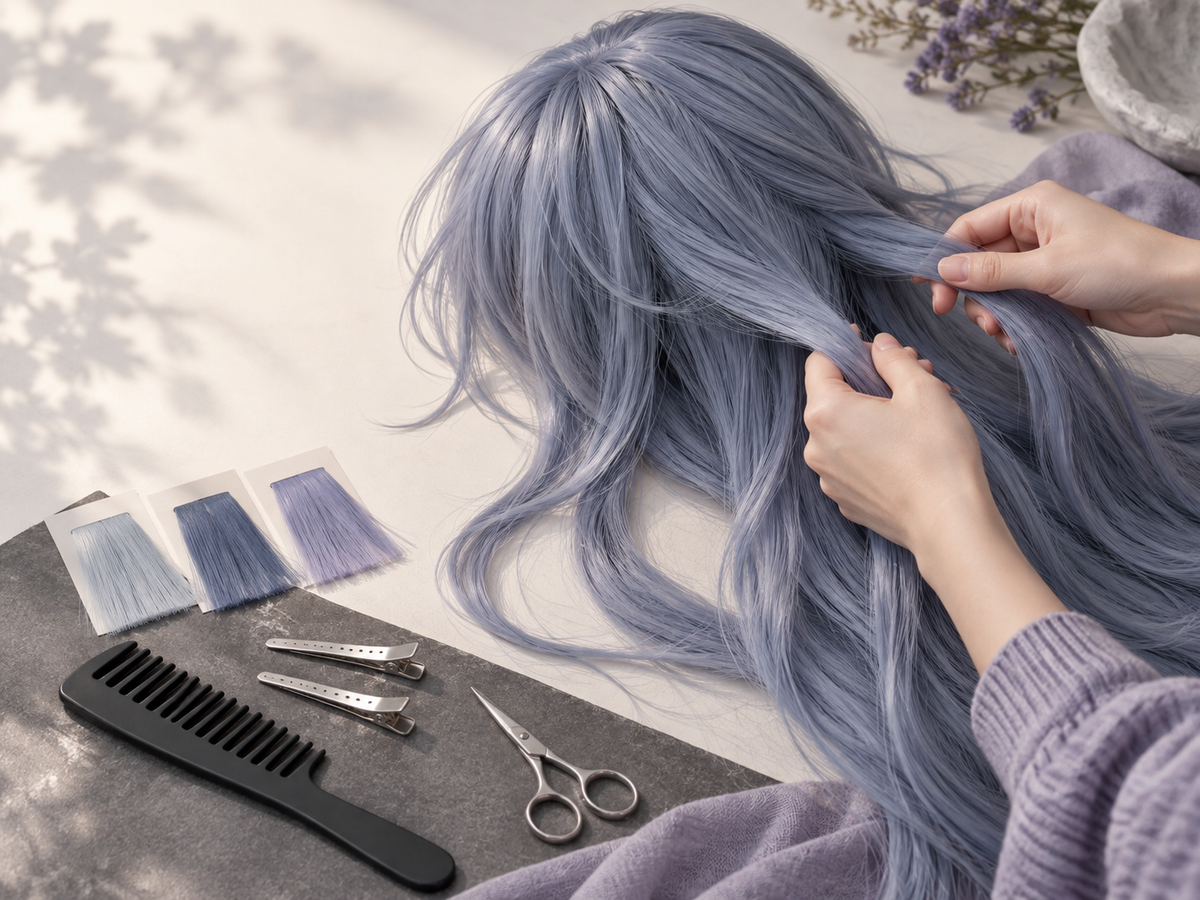
Separate long hair into several sections. Hold each section above the tangled area so you do not pull directly on the cap.
2. Start combing at the ends
Use your fingers, a wide-tooth comb or a tool suitable for synthetic wigs. Begin at the ends and move upward only after the lower section is smooth.
Do not drag a brush from the crown through the entire length. This pushes small knots together and places unnecessary pressure on the wefts.
For curls, spikes and heavily styled sections, use your fingers first so you do not remove the intended shape.
3. Reduce friction while wearing it
Long wigs often tangle where they touch the costume. Bring the hair forward over the shoulders when sitting, wearing a backpack or walking through crowded areas.
For transport between locations, loosely divide long fibers into sections. Do not use tight elastic bands that leave permanent marks.
4. Use heat only when permitted
Read the wig's care instructions before using a flat iron, curling iron, dryer or steamer. Test a hidden strand at the lowest practical temperature.
Important: Do not use a garment steamer as a universal detangling solution. Steam can permanently change or damage fibers that are not designed for heat.
Use heat to shape clean, detangled sections—not to force a comb through a large knot.
5. Wash only when needed
Wash the wig when sweat, odor or product buildup becomes noticeable. There is no single washing schedule that works for every cosplay wig.
When washing a synthetic wig:
- Remove detachable ornaments and clip-on pieces.
- Detangle the wig before it becomes wet.
- Use cool water and a product intended for synthetic wigs.
- Move the wig gently through the water.
- Do not rub, twist or wring the fibers.
- Rinse carefully and support the wet cap.
Heavily styled wigs may need spot cleaning rather than full washing. Check whether water will affect glue, paint, structure or custom color before beginning.
6. Let the wig dry completely
Blot excess water gently with a clean towel without rubbing. Support the cap and let the wig air-dry away from direct sunlight, heaters and high-temperature dryers.
Do not comb or store the wig while it is still wet unless its care instructions specifically recommend wet styling.
7. Store it for its specific style
Different wig types need different storage methods:
- Short basic wig: Place it inside a clean hair net and suitable wig bag or box.
- Long straight wig: Detangle it, divide it into loose sections and protect the lengths from friction.
- Curly wig: Preserve the curl groups instead of flattening them together.
- Spiked or structured wig: Use a mannequin head and a stable box with enough space around the style.
- Clip-on ponytails: Remove and store them separately to reduce stress on the cap.
Make sure the wig is fully dry before placing it in a bag or closed container.
Repair Small Problems Early
A small repair can prevent larger damage. Check the wig after every event for loose stitching, weak clips, stretched elastic and lifting styled sections.
Useful early repairs include:
- Restitching a loose weft before it detaches
- Replacing a bent or broken clip
- Removing dried product buildup carefully
- Trimming a very small amount from badly worn ends
- Resetting a curl or spike before the full style collapses
- Replacing elastic that no longer supports the cap
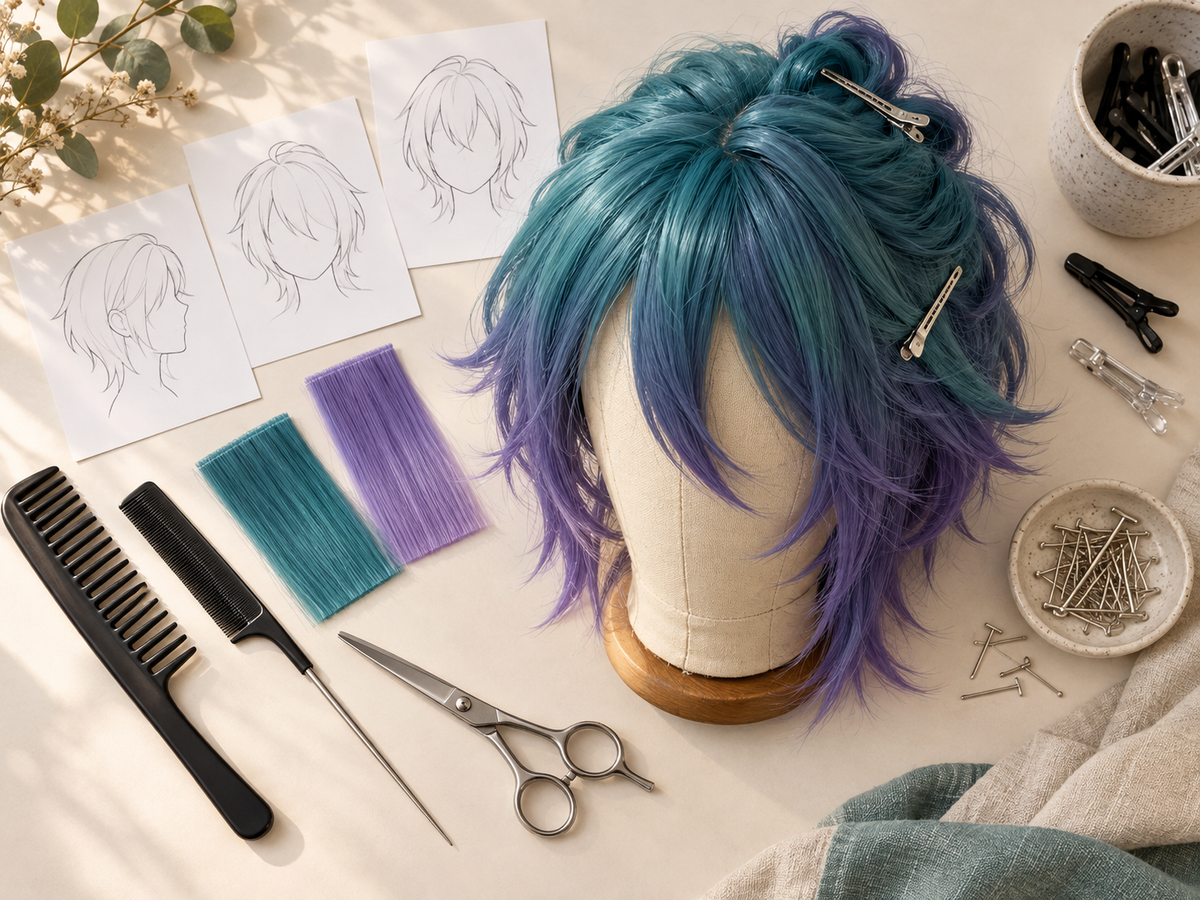
If you need appropriate supplies, browse KOOLLIA's wig styling tools.
Signs It Is Time to Repair or Replace a Cosplay Wig
- The cap remains stretched and no longer fits securely.
- Several wefts have detached from the cap.
- The crown or part has large visible gaps.
- The fibers have widespread permanent heat damage.
- Severe tangles return immediately after careful detangling.
- Important styled sections can no longer hold their shape.
- Internal supports or accessories are broken and unsafe.
- Heavy shedding has changed the character's silhouette.
A damaged wig does not always need to be discarded. It may still be useful for styling practice, spare wefts, color tests or a shorter character design.
Common Mistakes That Shorten a Cosplay Wig's Life
- Brushing from the crown to the ends
- Pulling knots without supporting the hair above them
- Using high heat without a fiber test
- Applying more hairspray or glue than the style needs
- Washing a structured wig without checking the construction
- Rubbing or twisting wet synthetic fibers
- Storing the wig before it is completely dry
- Crushing spikes, ornaments or shaped bangs in a small box
- Leaving heavy ponytails attached during storage
- Waiting until the next convention to inspect damage
Frequently Asked Questions
How many times can I wear a cosplay wig?
There is no reliable fixed number. A wig's usable life depends on its construction, length, style, frequency of wear and care. Judge it by the condition of the cap, wefts and fibers rather than a promised number of wears.
How do I make a cosplay wig last longer?
Detangle it before and after use, reduce friction, avoid unnecessary heat, wash only when needed, air-dry it completely and store it in a way that protects its specific shape.
Do heat-resistant cosplay wigs last longer?
Not automatically. Heat resistance allows controlled heat styling, but it does not guarantee resistance to shedding, friction or tangling. Incorrect heat can still shorten the wig's lifespan.
Can I use regular hairspray on a synthetic wig?
Use a product compatible with synthetic fibers whenever possible. Test unfamiliar products on spare or hidden fiber and avoid heavy buildup.
Can I steam a tangled cosplay wig?
Only consider steam when the wig is confirmed to tolerate heat. Detangle gently first, test a hidden strand and avoid placing high-temperature steam directly against the cap or styled sections.
How often should I wash a cosplay wig?
Wash it when sweat, odor or styling-product buildup becomes noticeable. Frequently worn wigs may need cleaning sooner, while a lightly used wig may need only detangling and careful storage.
Should I store a cosplay wig on a mannequin head?
A mannequin head is helpful for structured, spiked or heavily styled wigs. Simple short or straight wigs can often be stored in a clean hair net and suitable bag or box after they are completely dry.
Can I reuse one cosplay wig for several characters?
Yes, especially when the color, length and base shape suit several designs. However, repeated cutting, gluing and heat styling will gradually reduce the number of future styles the wig can support.
Are long wigs less durable than short wigs?
Long wigs are not necessarily lower quality, but their fibers experience more friction and tangling. They usually require more detangling, careful transport and larger storage space.
Final Long-Lasting Cosplay Wig Checklist
- Inspect the cap and wefts before buying.
- Follow the specific heat-care instructions.
- Detangle from the ends upward.
- Reduce friction during wear and transport.
- Use styling products in small amounts.
- Wash only when needed.
- Air-dry the wig completely.
- Store it according to its length and structure.
- Repair loose wefts and clips early.
- Check the wig several days before the next event.
A long-lasting cosplay wig is not defined by one fiber name, a high density claim or a fixed number of wears. Construction, styling choices and aftercare work together. If you are preparing your first reusable style, read our guide to wearing a cosplay wig for the first time or explore KOOLLIA's basic cosplay wigs.