
Choosing the right cosplay wig glue can be confusing, especially when you're trying to create a hairstyle that looks fluffy but still holds its shape. Should you use hairspray for everything? When does glue actually help? And why does a carefully styled wig sometimes look flat after you finish spraying it?
The answer depends on what you're building. Soft layers, dramatic anime spikes, and glued hairline details don't all need the same product. Here's how to choose without buying supplies you won't use.
1. Cosplay Wig Glue vs. Hairspray: What's the Difference?
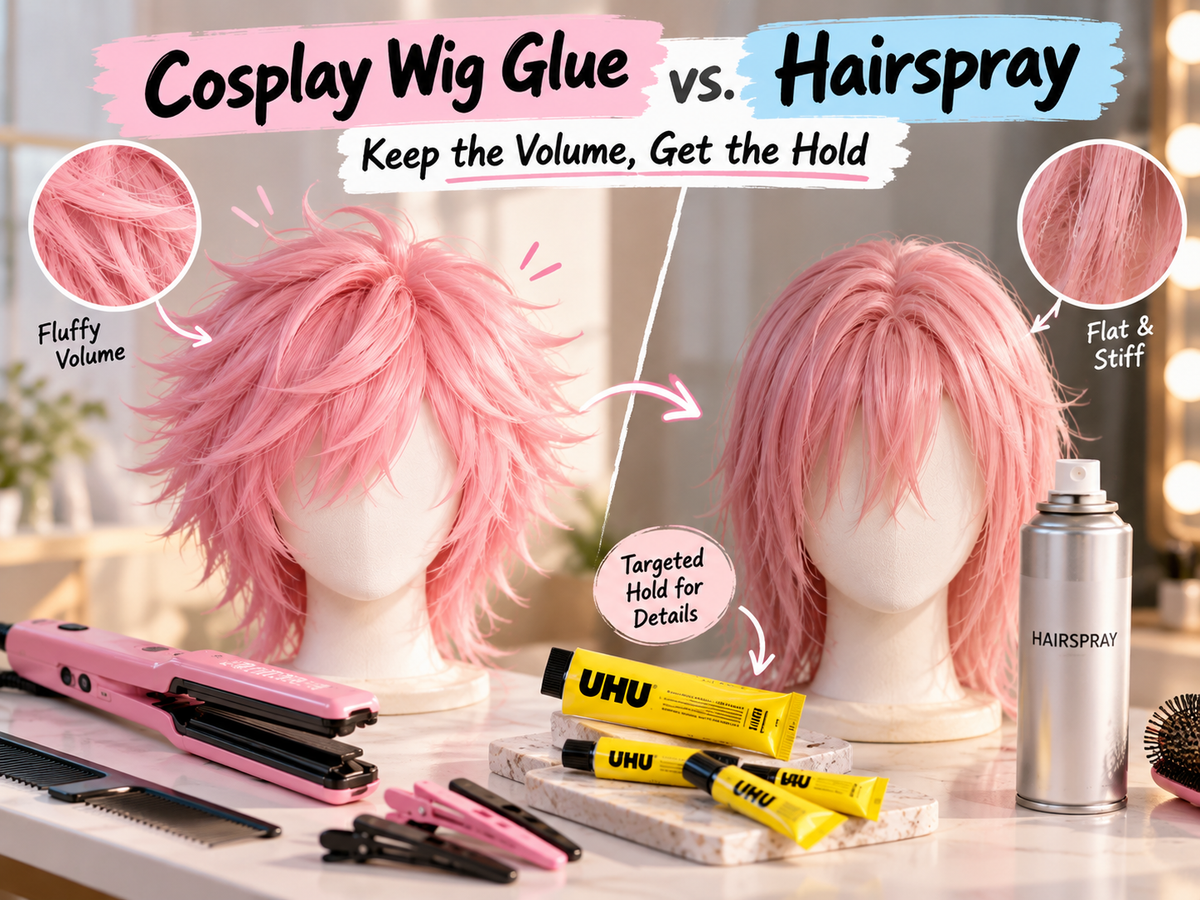
Hairspray and styling adhesive serve different purposes. Hairspray helps set fibers that have already been arranged into a hairstyle. Glue is generally better suited to selected construction tasks, such as bonding prepared wefts or securing small sculpted components.
Neither product creates volume by itself. For a fluffy hairstyle, the underlying shape matters just as much as the finishing product.
| Styling Need | What to Consider |
|---|---|
| Soft bangs and loose layers | Light hairspray for flexible-looking hold |
| Fluffy anime hairstyles | Teasing or crimping for volume, followed by selective setting |
| Defined spikes | Internal structure, hairspray, and sometimes reinforced sections |
| Constructed hairline pieces | Compatible adhesive for preparing and attaching separate components |
| Securing a wig to skin | A separate, skin-approved wig attachment product |
One important distinction: craft adhesive used for wig construction is not automatically safe for skin. Never use ordinary construction glue to attach lace, a wig cap, or a hairpiece directly to your scalp or face.
2. Why Hairspray Can Make Fluffy Wigs Look Flat
You've spent an hour teasing and shaping a wig. It looks great on the stand. Then you apply a generous layer of hairspray, and suddenly the soft, airy texture looks more compact.
It's a frustrating problem, especially with fluffy anime hairstyles.
Hairspray works by depositing a film-forming material as the liquid dries. That film helps hold hair in place. But when too much product collects on synthetic fibers, neighboring strands may stick together, creating heavier-looking sections instead of separate, airy layers.
This doesn't mean hairspray is bad for cosplay wigs. It means the amount and application method matter.
How to Keep a Fluffy Wig from Losing Volume
- Build the main shape before applying any setting product.
- Use teasing or suitable crimping techniques to create internal support.
- Apply a light mist to selected sections rather than soaking the entire wig.
- Allow each application to dry before deciding whether more hold is necessary.
- Keep the outer layers lighter when you want a soft, separated finish.
If the wig still looks flat, adding more hairspray probably won't solve the underlying problem. You may need to rebuild the volume first.
3. Build Volume Before Adding Styling Products
A fluffy wig needs a foundation. This is particularly important for anime characters with oversized bangs, thick crowns, or dramatic silhouettes.
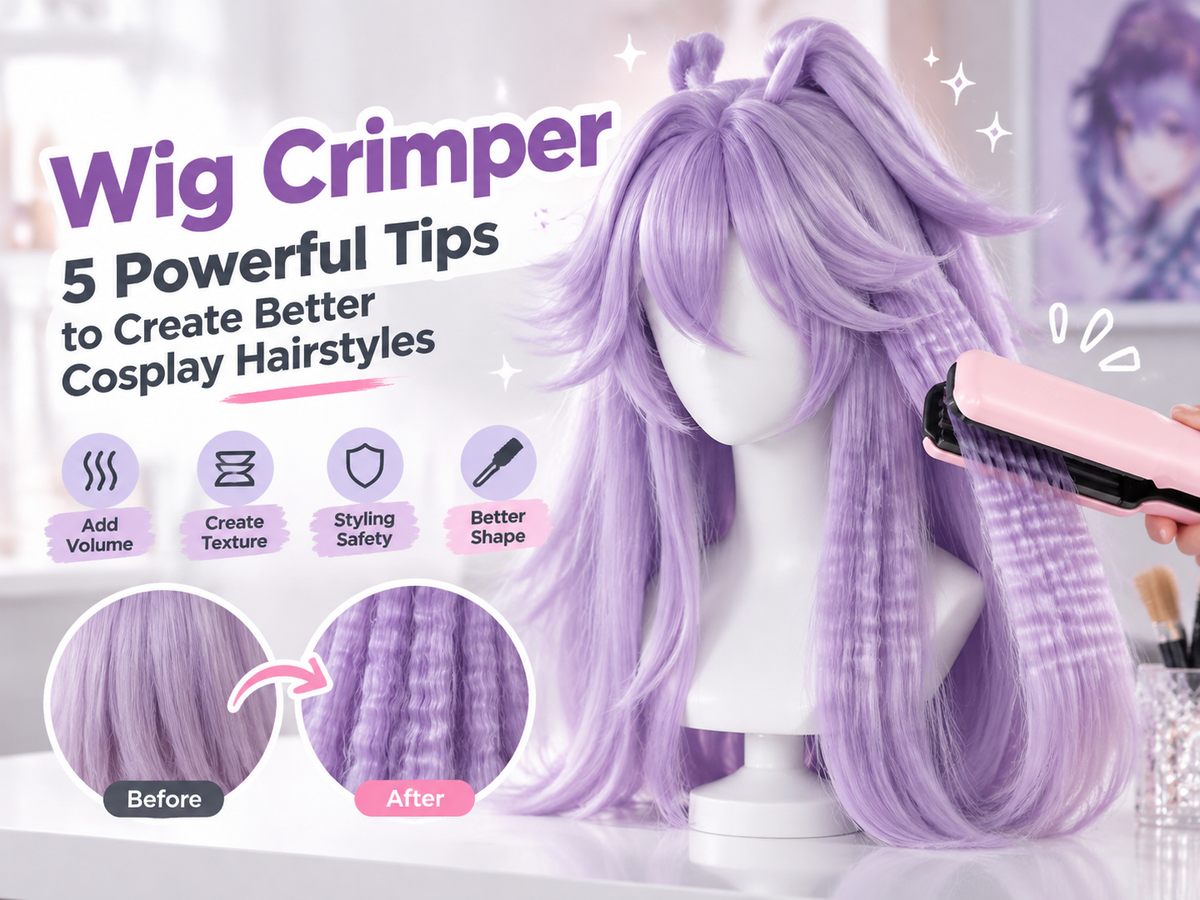
For heat-resistant synthetic wigs, crimping can add texture to the inner layers. The small bends help the fibers occupy more space, giving the hairstyle a fuller appearance before any finishing product is applied.
A practical approach is to crimp the inner layers while leaving the visible outer fibers smoother. This can help support the hairstyle without making every crimp line visible.
For the full technique, see our guide to crimping a wig for volume.
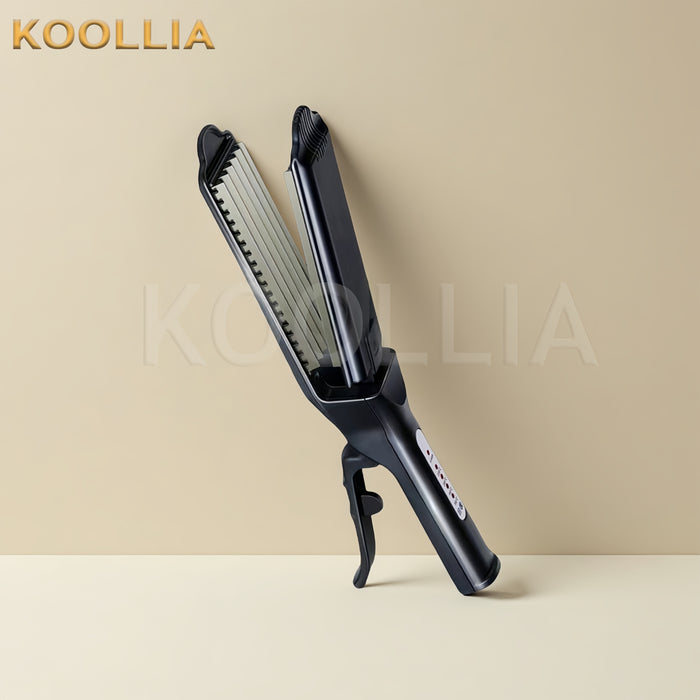
If you are choosing equipment, the wig crimper for volumizing and texture is designed for this type of preparation. Check the product's 220V electrical rating before ordering, and confirm that your wig fibers are heat-resistant before using any heated tool.
Crimping is optional. If your wig cannot safely tolerate heat, use gentle teasing and other non-heat shaping methods instead.
4. When Does Cosplay Wig Glue Make Sense?
Not every cosplay hairstyle needs glue. In fact, for simple bangs or soft layers, it may add unnecessary stiffness and make later adjustments harder.
Styling adhesive becomes more useful when you're constructing a particular component rather than simply setting loose fibers.
Preparing Glued Wefts
Some wig makers prepare separate fiber sections by bonding their bases before trimming or attaching them. This can be helpful when creating a stylized hairline or a small, shaped piece.
Reinforcing Sculpted Details
Complex character hairstyles sometimes include rigid details that need more support than a light finishing spray can provide. Adhesive may be one part of that construction, alongside the appropriate internal structure.
Attaching Lightweight Decorations
For certain cosplay accessories, an adhesive compatible with the materials involved may help secure small decorative components. Check the product instructions rather than assuming every glue works on every plastic or fiber.
Browse wig styling tools and supplies for currently listed workshop equipment. If you need an adhesive, check its intended use and material compatibility on the individual listing and packaging. Craft adhesive is not a substitute for a product specifically intended for skin contact.
5. How to Choose Cosplay Wig Glue Safely
Before buying an adhesive, check what you're actually trying to bond. Synthetic wig fibers, plastic decorations, fabric, and wig-cap materials can react differently to the same formula.
Use this checklist:
- Identify the materials. Check the wig fiber type and any plastic, fabric, or accessory you plan to attach.
- Read the exact product label. Different adhesive formulas have different compatible materials and drying requirements.
- Test spare fibers first. Let the adhesive dry completely, then check for discoloration, brittleness, or unwanted residue.
- Consider future restyling. Permanent bonds may make a wig difficult to brush, wash, or reshape.
- Work with ventilation. Some adhesives contain flammable solvents. Keep them away from ignition sources and follow the manufacturer's precautions.
UHU's official instructions also show why the exact formula matters: some all-purpose adhesives are unsuitable for materials such as polyethylene or polypropylene. A general-purpose label does not guarantee compatibility with every wig component.
Never apply construction adhesive to your skin, natural hair, or scalp. Do not use a heat tool near wet adhesive or freshly applied aerosol products. Follow the manufacturer's drying and safety instructions before continuing work.
6. Choose Your Styling Products Based on the Hairstyle
Instead of buying every styling product you see recommended online, start with the character's hair shape.
For Fluffy Short Anime Hair
Prioritize the base wig's density, layering, and internal volume. Teasing or crimping may provide the lift you need. Finish with light, selective hairspray if the fibers need extra hold.
For Sharp, Defined Spikes
Focus on the structure of each spike. Small spikes may need only shaping and hairspray, while larger constructed pieces may require additional reinforcement. Adhesive is an option for compatible prepared components, not a universal shortcut.
For Smooth, Natural-Looking Hair
Keep the product application minimal. A smooth hairstyle usually benefits more from careful trimming, detangling, and controlled shaping than from heavy glue.
For Elaborate Character Hairlines
Consider whether you need to construct separate fiber pieces or attach decorative details. These tasks may justify buying a suitable adhesive, provided you've checked material compatibility.
If you're starting with an unstyled wig, browsing basic cosplay wigs can help you choose a base with enough length and volume for the intended design.
7. What Should You Buy for Your First Wig Project?
You probably don't need a large collection of sprays, glues, and heated tools for your first cosplay wig.
Start with a wig stand, sectioning clips, a comb, suitable scissors, and a styling product appropriate for the finished shape. Add specialized tools only when your character design calls for them.
If your main problem is a flat, fluffy hairstyle, focus on building volume before buying stronger adhesive. If you're constructing glued wefts or detailed components, a compatible craft adhesive may be a useful addition.
Think about how often you'll style wigs, too. An occasional small project has different supply needs from repeated convention builds or detailed commission work.
Most importantly, choose products based on the task, not simply on how strong their hold sounds.
Frequently Asked Questions About Cosplay Wig Glue
Is cosplay wig glue better than hairspray?
Not necessarily. Hairspray is often more practical for setting loose fibers and finished hairstyles. Adhesive is more appropriate for selected construction tasks. The better option depends on the style and materials.
What glue should I use for cosplay wig spikes?
Small spikes may not need glue at all. Larger sculpted sections sometimes require reinforced construction. If adhesive is necessary, choose one compatible with the exact synthetic fibers and supporting materials, and test it first.
Can hairspray make a fluffy cosplay wig flat?
Yes, excessive application can cause fibers to stick together and look less airy. Building volume first and using smaller amounts of spray may help preserve a fluffy appearance.
Can I use regular craft glue on a synthetic wig?
Only for suitable construction applications when the manufacturer's instructions and a material test support its use. Ordinary craft glue should never be assumed safe for skin or for every type of synthetic fiber.
Do I need a crimper before using wig styling glue?
No. A crimper creates texture and volume, while adhesive bonds selected components. They serve different purposes. Crimping is useful for certain fluffy styles but is not required for every wig.
Can I use construction glue to attach a lace-front wig?
No. Use a product specifically intended and approved for skin-contact wig attachment. Construction adhesive should not be applied directly to the scalp, face, or natural hair.
Final Thoughts: Build the Shape, Then Choose the Hold
The best styling results usually come from understanding what the wig needs before reaching for another product.
For fluffy hairstyles, focus on volume and texture first. For soft layers, use setting products sparingly. For constructed spikes or detailed hairlines, consider whether a compatible adhesive is genuinely necessary.
Choosing cosplay wig glue doesn't have to be complicated. Start with the hairstyle, check the materials, and use only the amount of product needed to support the finished look.
References and Further Reading
- Poison Control — The Safety of Hairspray . Explains how hairspray works and provides guidance on ventilation, exposure, and flammability.
- UHU — All Purpose Adhesive: Application and Handling . Manufacturer information about compatible materials, application, and solvent precautions. Check the label of your specific adhesive formula.
- OSHA — Spray Finishing Using Flammable and Combustible Materials . Workplace safety guidance on ventilation and flammable spray materials.