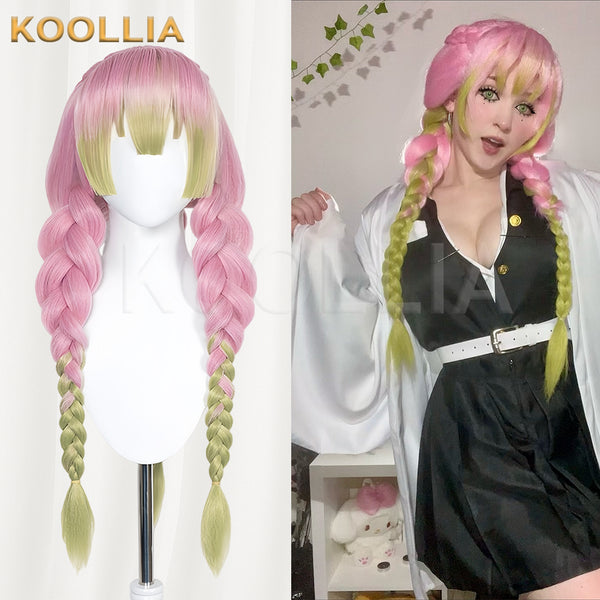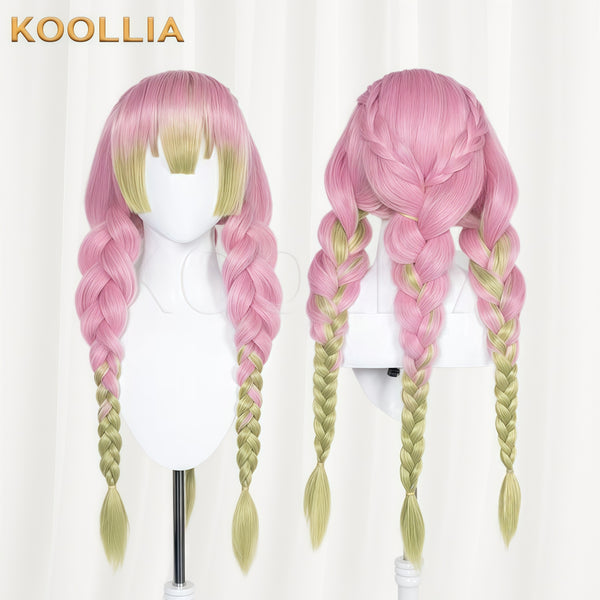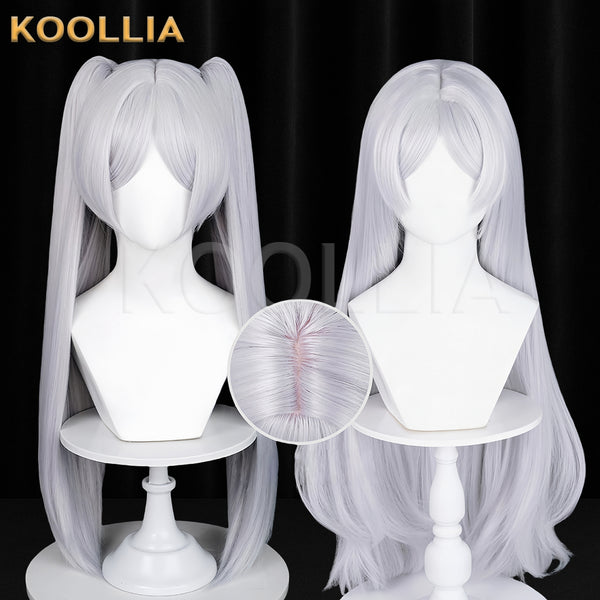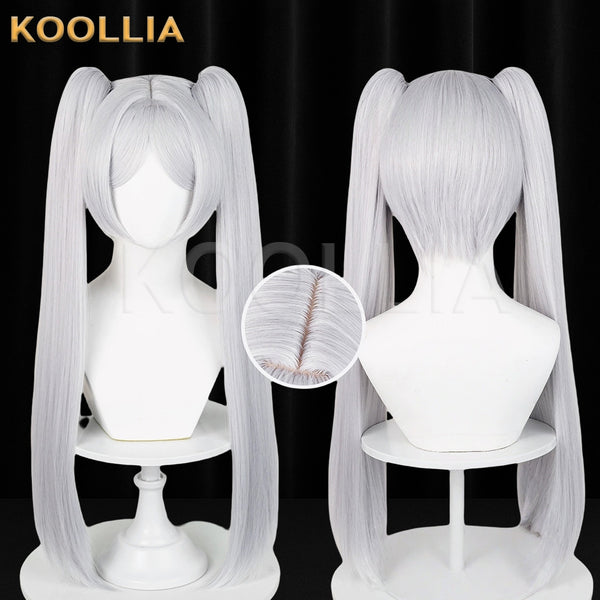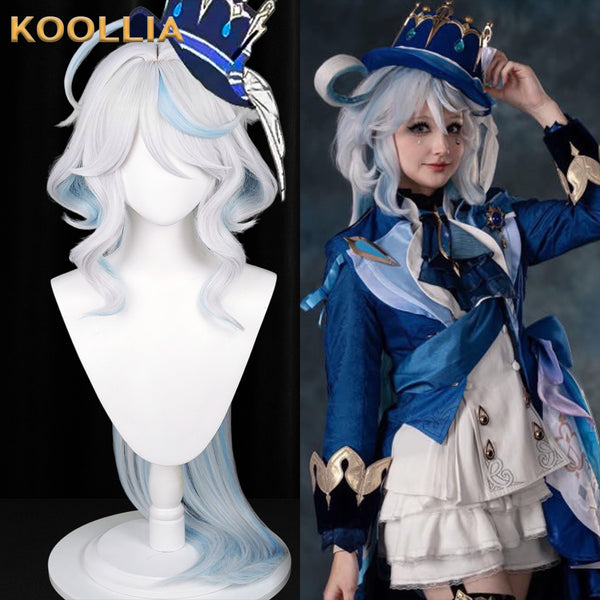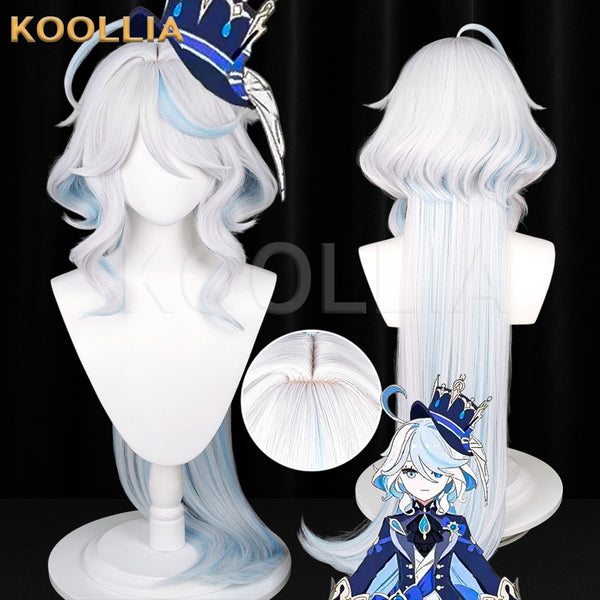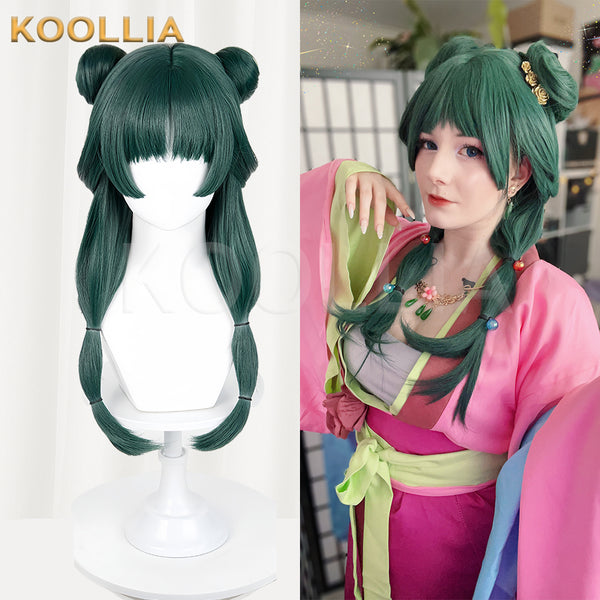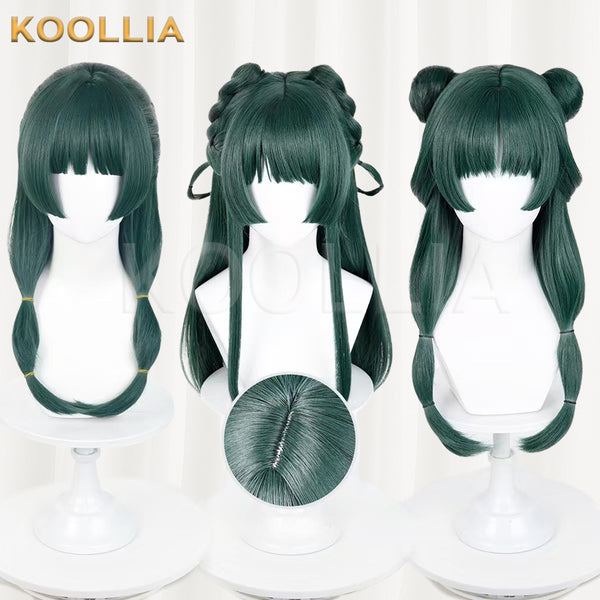

Choosing the right cosplay wig color is not always easy. The same character’s hair may look different across official art, anime scenes, game models, and promotional images.
This guide shares KOOLLIA’s color-matching method. You will learn how to compare hue, undertone, brightness, saturation, and color effects. You can then choose a wig that looks close to the character and works with your cosplay.
If you do not want to compare many color swatches yourself, you can choose a character wig that has already been matched to official references. However, you should still check the product photos, color details, and customer images before ordering.
How Do You Choose a Cosplay Wig Color?
To choose a cosplay wig color, check these six points:
- The main color family
- The warm or cool undertone
- The brightness of the color
- The saturation of the color
- Any roots, highlights, or gradients
- How the color works with your skin tone and costume
Do not choose a wig from one screenshot alone. Use several official reference images and compare them under different lighting.
Step 1: Collect Reliable Character References
Start with official character art whenever possible. Character sheets, game models, anime promotional art, and official figures are usually more reliable than fan art.
Try to find:
- A clear front view
- A side view
- A back view
- An image with soft or neutral lighting
- A close view of the roots and hair ends
Avoid using only dark scenes, sunset scenes, or images with strong filters. These can change the way the hair color appears.
Look for the color that appears most often across the official images. This is usually a better guide than the brightest highlight or darkest shadow.
Step 2: Find the Main Color Family
First, identify the main color family. It may be red, orange, yellow, green, blue, purple, pink, brown, black, gray, or white.
Do not limit the choice to the seven colors of the rainbow. Many anime characters have pastel, smoky, gray-toned, or mixed hair colors.
For example, two characters may both have purple hair. One may have a dark blue-purple shade. The other may have a light pink-purple shade. They belong to the same general color family, but they will look very different as wigs.
Step 3: Check the Warm or Cool Undertone
Next, check whether the color looks warm or cool.
- Warm colors often lean toward red, orange, or yellow.
- Cool colors often lean toward blue, green, or gray.
A purple wig with more red may look warm. A purple wig with more blue may look cool. A pink wig can also lean toward warm peach or cool lavender.
Compare the wig with several parts of the character image. Look at the roots, the middle of the hair, and the ends. This will help you see the true undertone.
Step 4: Compare Brightness and Saturation
Brightness describes how light or dark a color looks. Saturation describes how strong or soft the color looks.
- A bright color contains more visible light.
- A dark color appears deeper and creates more shadow.
- A highly saturated color looks bold and vivid.
- A low-saturation color looks soft, dusty, or gray.
These details are important for cosplay wigs. A bright purple wig will not match a character with dark smoky purple hair, even though both wigs are called purple.
Focus on the main midtone of the character’s hair. Do not choose the wig based only on a white highlight or a very dark shadow.
Step 5: Identify Gradients, Highlights, and Mixed Colors
Some character hairstyles use more than one color. Look carefully for:
- Dark roots
- Lighter ends
- Colored bangs
- Hidden highlights
- Two-tone sections
- Soft gradients
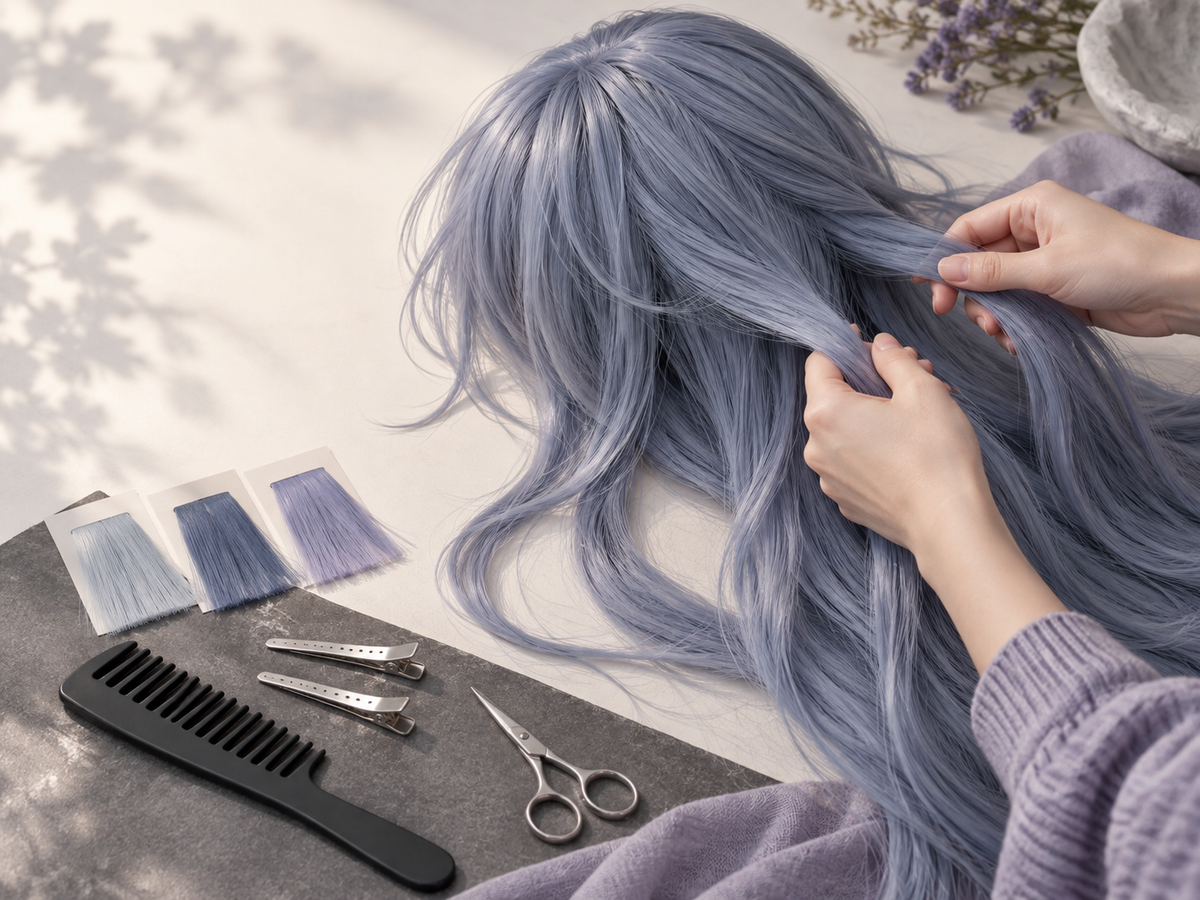
A solid-color wig may not create the same effect as a wig with mixed fibers or a gradient. Complex colors can be made with blended fibers, added wefts, airbrushing, or methods made for synthetic wigs.
Normal human hair dye usually does not work well on synthetic fibers. It may also damage the wig. Always check the fiber type and test any coloring method on a hidden section first.
Should You Match the Character or Your Skin Tone?
Character accuracy should usually come first. Keep the character’s main and most recognizable hair color.
You can still make a small adjustment if two shades are very close. A slightly warmer or cooler version may work better with your skin tone without changing the character’s main look.
Also consider the costume:
- A lighter wig usually stands out more against a dark costume.
- A darker wig can create stronger contrast with a light costume.
- Similar color values create a softer and more unified look.
- Strong color contrast makes the hair more noticeable.
Do not change the color so much that the character becomes hard to recognize. Skin tone and costume colors should help you choose between close shades, not replace the character’s signature color.
How to Compare Wig Swatches and Product Photos
Color names and numbers are not universal. Codes such as #1, G-1B, NB, or G2 may mean different things across different suppliers.
Before buying a wig, compare:
- The seller’s color chart
- Photos taken in natural light
- Photos from different angles
- Product videos
- Mannequin photos
- Customer photos and reviews
Your phone and computer screen can also change the color. Screen brightness, display settings, and image filters may make a wig look warmer, cooler, lighter, or more vivid.
If the exact color is important, ask the seller for more photos or a physical fiber sample when available.
Why Can the Same Wig Color Look Different?
The fiber and construction of a wig can change how its color appears.
- Glossy fibers reflect more light and may look brighter.
- Matte fibers can make the color look softer and more natural.
- Dense hair creates more shadow and may look darker.
- Crimped or textured fibers reflect light in different directions.
- Long wigs may show more light and shadow from the roots to the ends.
This is why a color swatch may not look exactly the same as a finished wig.
How to Take Accurate Photos for Custom Color Matching
If you are requesting a custom color match, clear reference photos can help the wig maker understand the color you need.
- Take the photos during the day.
- Stand near a bright window.
- Use soft, indirect daylight.
- Turn off yellow lamps and other indoor lights.
- Use a white, gray, or neutral background.
- Turn off beauty mode, filters, and automatic color effects.
- Take front, side, and back photos.
- Take one full view and one close view.
A white sheet of paper or a neutral color card can be placed in the image as a simple color reference.
If the wig maker also needs to consider your skin tone, include your face and neck in one photo. If only the hair color is needed, you may not need to show your full face.
Common Color Photo Mistakes
1. Standing With Your Back to a Window
Strong backlight can make the hair look too dark. It may also cause the background to become too bright.
2. Using Bathroom or Yellow Indoor Lights
Warm indoor lights can add a yellow or orange tone to the hair.
3. Mixing Daylight and Indoor Lighting
Mixed light can create several colors in one photo. Turn off indoor lights when using window light.
4. Taking Photos in Direct Sunlight
Direct sunlight can create strong highlights and make the hair look lighter than it is. Outdoor shade or indirect window light is more useful.
5. Using Filters or Beauty Mode
Phone filters may change the skin tone, hair color, contrast, and brightness. Turn them off before taking the photo.
6. Taking Only a Close Photo
A close photo shows detail but not the full color pattern. Include both a full view and a close view.
7. Using an Old Photo
You may not know the lighting or camera settings used in an old photo. Take a new photo under controlled light when possible.
8. Tying the Hair Up
A ponytail may hide the roots, ends, and lower layers. Leave the hair down so the full color can be seen.
What If You Are Choosing Between Two Similar Colors?
Return to your official reference images and compare the main midtone. Then check the undertone, brightness, and saturation.
If both shades are close, ask these questions:
- Which shade appears in more official images?
- Which shade matches the character’s roots?
- Which shade works better with the costume?
- Which product has clearer photos and better color information?
When possible, choose the shade supported by the most reliable references instead of the shade shown in one dramatic scene.
Should You Choose a Basic, Styled, or Commission Wig?
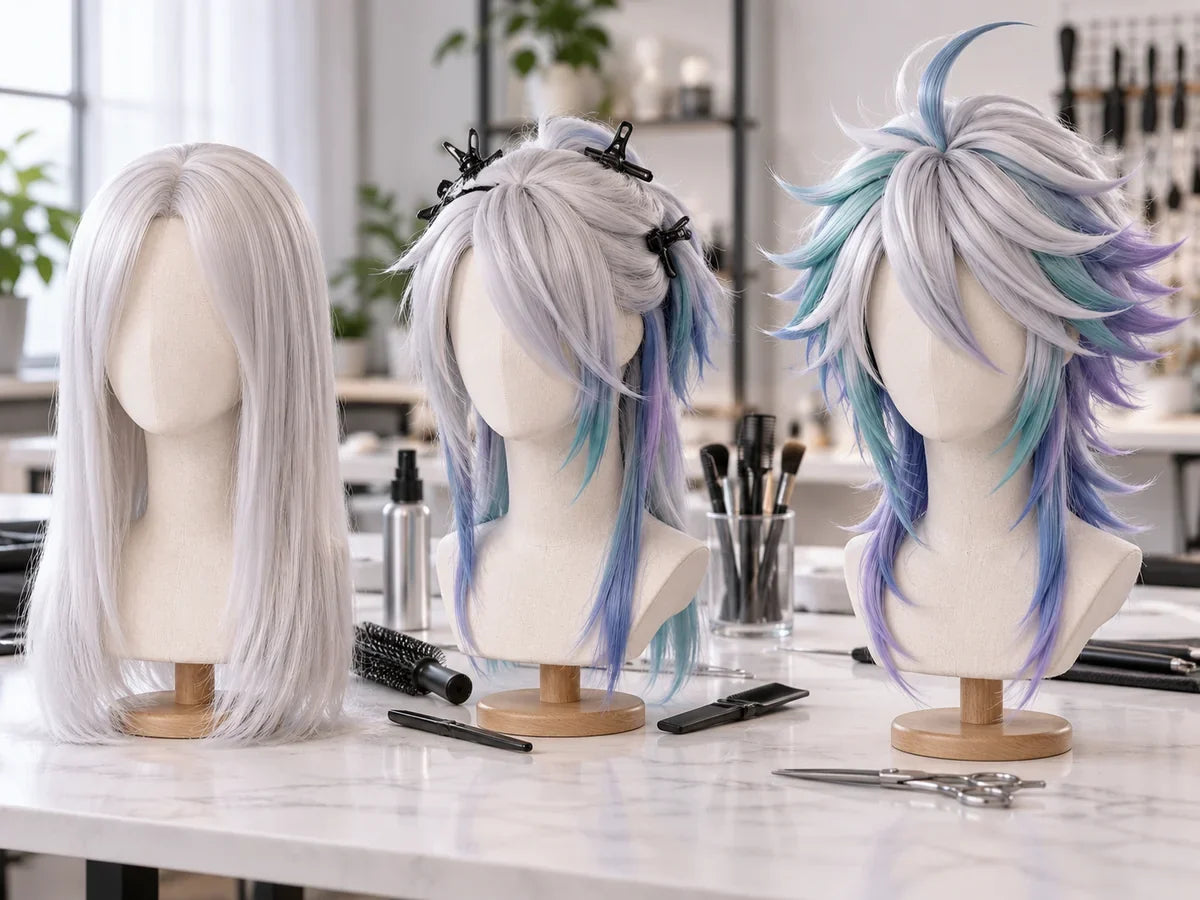
Choose a basic cosplay wig if you want to cut, shape, and style the wig yourself.
Choose a pre-styled cosplay wig if you want the main character shape prepared before shipping.
Choose a commission cosplay wig when the character needs a complex color blend, special structure, difficult spikes, or a detailed gradient.
Before ordering a custom design, read the KOOLLIA wig commission guide to understand the reference images and information you should prepare.
Cosplay Wig Color Checklist
Before placing your order, check the following:
- I used several official character references.
- I identified the main color family.
- I checked the warm or cool undertone.
- I compared the brightness and saturation.
- I checked the roots, ends, highlights, and gradients.
- I viewed natural-light product photos.
- I checked customer photos when available.
- I considered the costume and my skin tone.
- I confirmed whether the wig is basic, styled, or custom-made.
Frequently Asked Questions
Can a cosplay wig match an anime hair color exactly?
An exact match is not always possible. Official images, screens, lighting, fibers, and production batches can all change the visible color. The goal is to find a shade that gives the same overall look as the character.
Are wig color numbers the same for every brand?
No. Color numbers are often made for one supplier or brand. Always check the color chart and product photos from the seller you are buying from.
Why does my wig look different indoors?
Indoor lights can add yellow, orange, blue, or green tones. The wig may also reflect light because of the fiber’s shine.
Can I use normal hair dye on a synthetic wig?
Normal hair dye usually does not work on synthetic fibers. Use a method made for synthetic wigs and test it on a hidden section first.
Do I need to show my face in a color reference photo?
Not always. Include your face and neck only when the wig maker needs to compare the wig color with your skin tone. Clear hair photos are usually enough for a basic color match.
Final Advice
The best cosplay wig color is not simply “blue,” “purple,” or “pink.” It is a combination of hue, undertone, brightness, saturation, and color placement.
Use several official references. Compare natural-light product photos. Check the roots and ends. If the character has a complex gradient or mixed color, consider a commission wig instead of forcing a solid-color wig to create the same effect.
Taking a few extra minutes to compare these details can help you choose a wig that looks more accurate and fits the full cosplay.