
If you've ever worn a cosplay wig at an outdoor convention or a breezy photoshoot, you already know the panic. One strong gust of wind, and suddenly your carefully styled spikes are flat, your long flowing locks are tangled around your face, and that custom piece you spent hours perfecting looks nothing like the character you're trying to portray.
Wind is one of the biggest enemies of cosplay wig wearers — especially if you live in an area with frequent windy days. The good news? There are practical, proven ways to keep your custom cosplay wig secure, styled, and photograph-ready no matter what the weather throws at you.
In this article, we'll break down exactly why wind messes up wigs, how custom wigs are built differently to resist it, and five actionable strategies you can use right away.

Why Does Wind Ruin Cosplay Wigs So Easily?
It comes down to a few factors that most mass-produced wigs can't handle:
Lightweight Synthetic Fibers
Most cosplay wigs are made from heat-resistant synthetic fibers like Kanekalon or Toyokalon. These fibers are intentionally lightweight to reduce bulk and make long styles manageable. But that same lightness means they catch wind like a sail. Even a gentle breeze can send long strands flying in every direction.
Loose Cap Construction
Cheap wigs often have minimal attachment points — just an elastic band around the edge. There are no clips, no adjustable straps, and no interior combs to anchor the wig to your head. When wind hits, the wig lifts from the cap instead of staying put.
Unsecured Edges and Bangs
Many pre-made wigs have loose bangs or side sections that aren't styled into place. Wind gets under these sections and peels them back, turning a clean look into a messy one in seconds.
What Makes Custom Cosplay Wigs More Wind-Resistant?
This is where custom wigs have a real advantage over off-the-shelf options. A well-made custom cosplay wig is built with wind management in mind — often without you even realizing it.
Tighter Wefting and Cap Structure
Custom wigs typically feature denser wefting, which means the fibers are sewn more closely together on the cap. This creates a more compact base that wind can't easily penetrate. The cap itself may use rose net or breathable mesh patterns designed to hold fibers in their intended position rather than letting them shift freely.
Built-In Adjustable Straps and Hooks
Quality custom wigs come with adjustable elastic straps at the nape, often with small metal hooks that let you dial in the fit. A snug cap means less movement when wind hits. According to wig-making standards used by professional cosplay wig studios, a properly fitted wig should stay in place even during moderate head movement.
Interior Combs and Clips
Many custom designs include small comb clips sewn into the interior — typically at the temples and the front hairline. These grip your natural hair (or wig cap) and physically lock the wig in place. Combined with bobby pins, they make it extremely difficult for wind to dislodge the wig.
Pre-Styled Sections with Product
Custom-styled wigs often have key sections (spikes, bangs, curled ends) set with wig-safe products like hairspray, styling wax, or even light adhesive. These sections hold their shape under wind pressure instead of collapsing.
If you're looking for wigs that come with these features built in, check out styled basic wigs that are ready to wear right out of the package.
5 Ways to Keep Your Wig Secure on a Windy Day
1. Start with a Proper Wig Cap
Before you even put the wig on, a good wig cap is your first line of defense. Use a nylon or mesh wig cap that covers all your natural hair and sits flat against your scalp. This gives the wig's clips and combs something solid to grip onto.
For extra hold, pin the wig cap to your natural hair using bobby pins at the temples, crown, and nape. The more secure the base layer, the less likely wind is to shift anything on top.
2. Use Bobby Pins Strategically (Not Randomly)
Bobby pins are every cosplayer's best friend, but placement matters. Instead of randomly pinning, follow this approach:
- Pin the front hairline first — cross two pins in an X pattern at each temple
- Add pins along the sides, angling downward toward your ears
- Pin the nape area where the elastic strap meets the wig cap
- For long wigs, pin the sides of the wig to your shoulders using safety pins hidden under collar or costume layers
Aim for at least 8–12 bobby pins for a long wig, and 4–6 for a short style. U-shaped pins (sometimes called wig grips) provide even stronger hold because their curved shape wraps around the wig cap edge.
3. Apply Wig-Safe Products for Shape Retention
Products are the secret weapon most beginners overlook. A light coat of wig-safe hairspray or styling wax applied to key areas can dramatically reduce wind damage.
Focus on:
- Bangs and front hairline — spray from underneath to keep them from lifting
- Spiked or gravity-defying sections — use strong hold spray or styling putty
- Long straight sections — a light spray along the length adds weight and reduces flyaways
- Curls and waves — scrunch in a bit of leave-in wig conditioner to keep strands grouped together rather than separating in the wind
Always test products on a small hidden section first. Not all sprays work well on every fiber type.
4. Choose the Right Wig Length and Style for Your Conditions
Be honest about the weather you'll be dealing with. A floor-length Rapunzel wig might look stunning in photos, but if you're attending an open-air convention in a coastal city known for gusty afternoons, you'll spend the entire day fighting tangles.
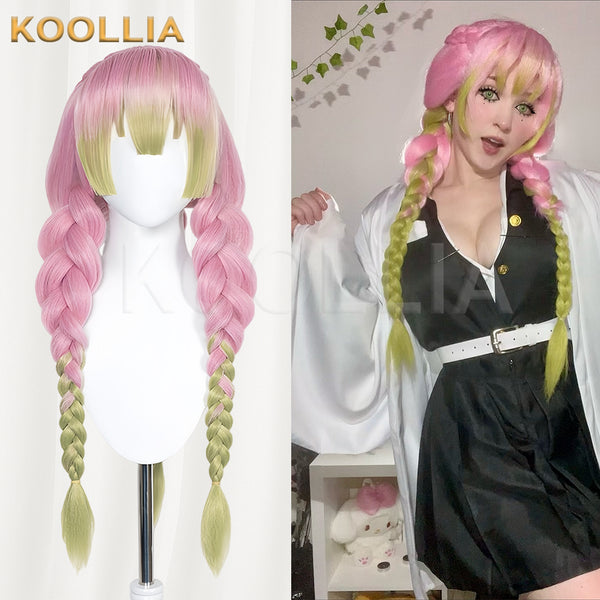
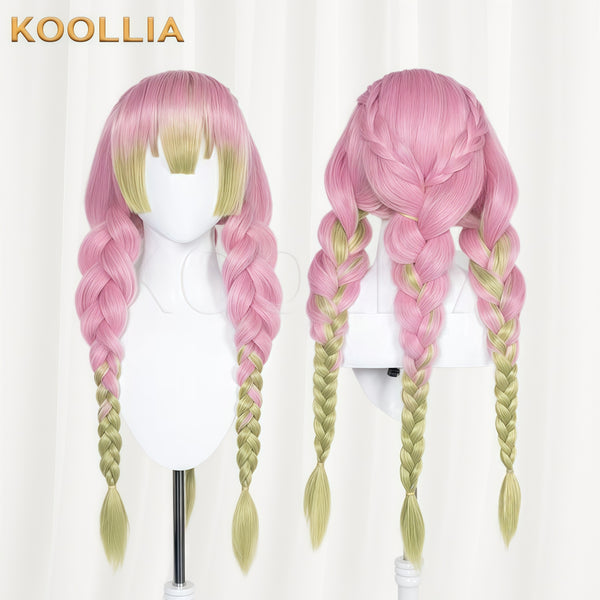
Shorter styles, buns, ponytails, and braided designs naturally resist wind better because there's less surface area to catch air currents. If your character has long hair, consider a styled version with braids or an updo that keeps most of the fiber contained.
For DIY cosplayers who want to adapt a basic wig into a wind-friendly style, DIY cosplay accessories and materials can help you create custom shapes that hold up better in breezy conditions.
5. Layer Your Accessories
Props and costume elements can double as wind protection if you plan strategically:
- Headbands and crowns: These press down the front of the wig and prevent wind from getting underneath the bangs
- Hoods and cloaks: A costume hood draped over the wig provides a windbreak — just be careful not to crush styled sections
- Hats: Obviously not suitable for every character, but if your character wears one, it's the ultimate wind shield
- Scarves: Wrapped around the neck, they can pin the bottom portions of long wigs in place
Do Natural-Looking Wigs Tangle More in the Wind?
This is a common concern, especially for cosplayers who prefer natural-fiber aesthetics. The short answer: it depends on construction more than appearance.
Natural-style wigs with loose, flowing fibers do tend to tangle more because each strand can move independently. But a well-constructed wig — whether it looks natural or bold — will tangle less than a poorly made one. The key factors are:
- Fiber quality: Higher-grade Kanekalon fibers have less static and resist tangling better than budget fibers
- Weft density: Tighter wefting keeps fibers aligned and reduces the chance of individual strands separating and knotting
- Length: Longer wigs (past shoulder length) are inherently more prone to tangles regardless of style
- Pre-treatment: Some custom wig makers apply anti-tangle treatments before shipping
If tangling is a major concern for you, explore all-purpose wig options that balance natural appearance with manageable fiber behavior.
Quick Checklist Before Heading Out on a Windy Day
- ✓ Wig cap pinned securely to natural hair
- ✓ Adjustable straps tightened for snug fit
- ✓ Interior combs clipped into wig cap
- ✓ 8–12 bobby pins placed at temples, sides, and nape
- ✓ Key styled sections set with wig-safe spray or wax
- ✓ Long sections braided, tied, or accessorized
- ✓ Props and accessories positioned to block wind at problem areas
- ✓ Small emergency kit: extra bobby pins, travel hairspray, wide-tooth comb
Frequently Asked Questions
Can I wear a cosplay wig in heavy wind?
It's possible but not ideal. In wind speeds above 20 mph (32 km/h), even well-secured wigs will shift and tangle. For extreme conditions, consider a shorter style with heavy product application, or plan your outdoor activities during calmer periods of the day.
Will bobby pins damage my cosplay wig?
No, standard metal bobby pins won't damage synthetic wig fibers. However, avoid pinning through the actual wig fibers — always pin at the cap edge or through the wig cap layer underneath. Pinching fibers between the pin and the cap can create kinks.
How do I detangle my wig after a windy day?
Start from the bottom and work upward using a wide-tooth comb designed for wigs. Never brush from the top down — this creates more tangles. For stubborn knots, apply a small amount of wig conditioner and gently separate strands with your fingers before combing.
Do custom wigs really stay on better than store-bought ones?
In general, yes. Custom wigs typically feature adjustable straps, interior clips, denser wefting, and better cap construction than mass-produced alternatives. These features work together to create a more secure fit that resists wind displacement. The fit is also tailored more closely to standard head sizes, reducing loose areas where wind can catch.
Can I use regular hairspray on my cosplay wig?
Some regular hairsprays work fine on synthetic fibers, but alcohol-heavy formulas can dry out and damage the fibers over time. Look for alcohol-free or wig-specific sprays. Always test on a small, hidden section before applying to the whole wig.
What's the best wig style for windy outdoor conventions?
Short styles (chin-length or shorter), braided designs, buns, and updos perform best in wind. They have less surface area for wind to catch and fewer loose strands to tangle. If your character requires long hair, consider braiding the lower portion and leaving the top styled.
Final Thoughts
Wind doesn't have to ruin your cosplay experience. With the right preparation — a secure wig cap, strategic pin placement, shape-holding products, smart style choices, and layered accessories — your cosplay wig can withstand breezy days and still look camera-ready.
The biggest advantage of choosing a custom cosplay wig is that many of these wind-resistant features come built in. Adjustable straps, interior clips, and quality construction mean you're starting with a stronger foundation before you even reach for the bobby pins.
Explore our full collection of cosplay wigs, props, and styling materials — including cosplay props and clearance sale items for budget-friendly options. Whatever the weather, there's a wig that'll stay put.
References
- UNIQSO Blog — How to Style Cosplay Wig. https://blog.uniqso.com/tag/cosplay-wig/
- Cosplay Photography Guide — Outdoor Shooting Tips. https://new.qq.com/rain/a/20251213A038LN00
- American Cosplay Paradise — Convention Gallery Resources. https://www.acparadise.com/
- Wikipedia — Cosplay Overview. https://en.wikipedia.org/wiki/Cosplay